


Building a maternity wardrobe can feel overwhelming. You're navigating a changing body, trying to predict what you'll need and when, all while being mindful of budget and sustainability. The good news? You don't need an entirely new wardrobe, and you certainly don't need to buy everything at once.
The secret to a functional, comfortable maternity wardrobe is understanding how your body changes throughout pregnancy and investing in versatile pieces at the right time. This trimester-by-trimester guide will help you build a capsule maternity wardrobe that works from first bump through postpartum, without overbuying or wasting money on pieces you'll barely wear.
As a UK-based brand designed by mums for mums, we've been through this ourselves. Every piece we create is designed to work across multiple stages of your journey, giving you maximum value and minimum waste.

The Smart Approach to Maternity Clothing
Before we dive into trimester-specific recommendations, here are some principles that will save you money and stress:
Invest in quality over quantity. A few well-made pieces will serve you better than a wardrobe full of cheap items that lose shape after a few washes.
Choose versatile pieces. Look for clothing that works across trimesters and into postpartum, especially items with nursing access.
Stick to a simple colour palette. Neutrals like black, navy, grey, and cream mix and match easily, maximising outfit combinations.
Don't buy everything at once. Your body changes throughout pregnancy, and what fits in the second trimester might not work in the third.
Consider postpartum from the start. Nursing-friendly pieces mean you'll get months more wear from your investment.
Embrace your regular wardrobe. Oversized jumpers, stretchy dresses, and loose shirts can often work well into your second trimester.
First Trimester (Weeks 1-13): Transitional Pieces
When Your Body Starts Changing
For many women, the first trimester brings bloating, tender breasts, and subtle body changes before a visible bump appears. You might not look pregnant yet, but your regular clothes may feel uncomfortable, especially around the waist and bust.
What You Actually Need
Don't rush to buy maternity clothes yet. Most women can make their regular wardrobe work through the first trimester with a few strategic additions:
Comfortable waistbands are key:
- Invest in a belly band or bump band that allows you to wear your regular trousers unbuttoned
- Choose high-waisted leggings with a soft, stretchy waistband (these will work throughout pregnancy)
- Look for elasticated or drawstring waist trousers from your regular wardrobe
Accommodate a changing bust:
- Switch to wireless or soft-cup bras for comfort as breasts become tender
- Choose looser-fitting tops that don't cling to your bust
- Layer with cardigans and open shirts that don't need to button across your chest
Embrace stretchy fabrics:
- Jersey dresses with some stretch will accommodate early changes
- Oversized jumpers work beautifully and can be worn throughout pregnancy
- Wrap dresses adjust as your body changes
First Trimester Essentials Checklist
- 1-2 belly bands for extending regular trousers
- 2-3 comfortable wireless bras
- 1-2 pairs of high-waisted black leggings
- 1-2 oversized jumpers or cardigans
- Stretchy jersey dresses from your existing wardrobe
Budget: £50-100 (mostly accessories and basics you'll use throughout)
Second Trimester (Weeks 14-27): Building Your Maternity Wardrobe
When to Start Buying Maternity Clothes
This is the trimester when most women transition to proper maternity wear. Your bump becomes visible, usually between 16-20 weeks, and your regular clothes simply won't fit comfortably anymore.
Your Body in the Second Trimester
- Visible baby bump that grows steadily
- Increased energy (the "honeymoon trimester")
- More stable body temperature compared to first trimester
- Growing bust as your body prepares for breastfeeding
- Possible back pain as your centre of gravity shifts
Essential Maternity Pieces to Invest In
This is when you'll build the foundation of your maternity wardrobe. Focus on versatile, high-quality pieces that will work through third trimester and into postpartum.
Maternity Tops and Dresses:
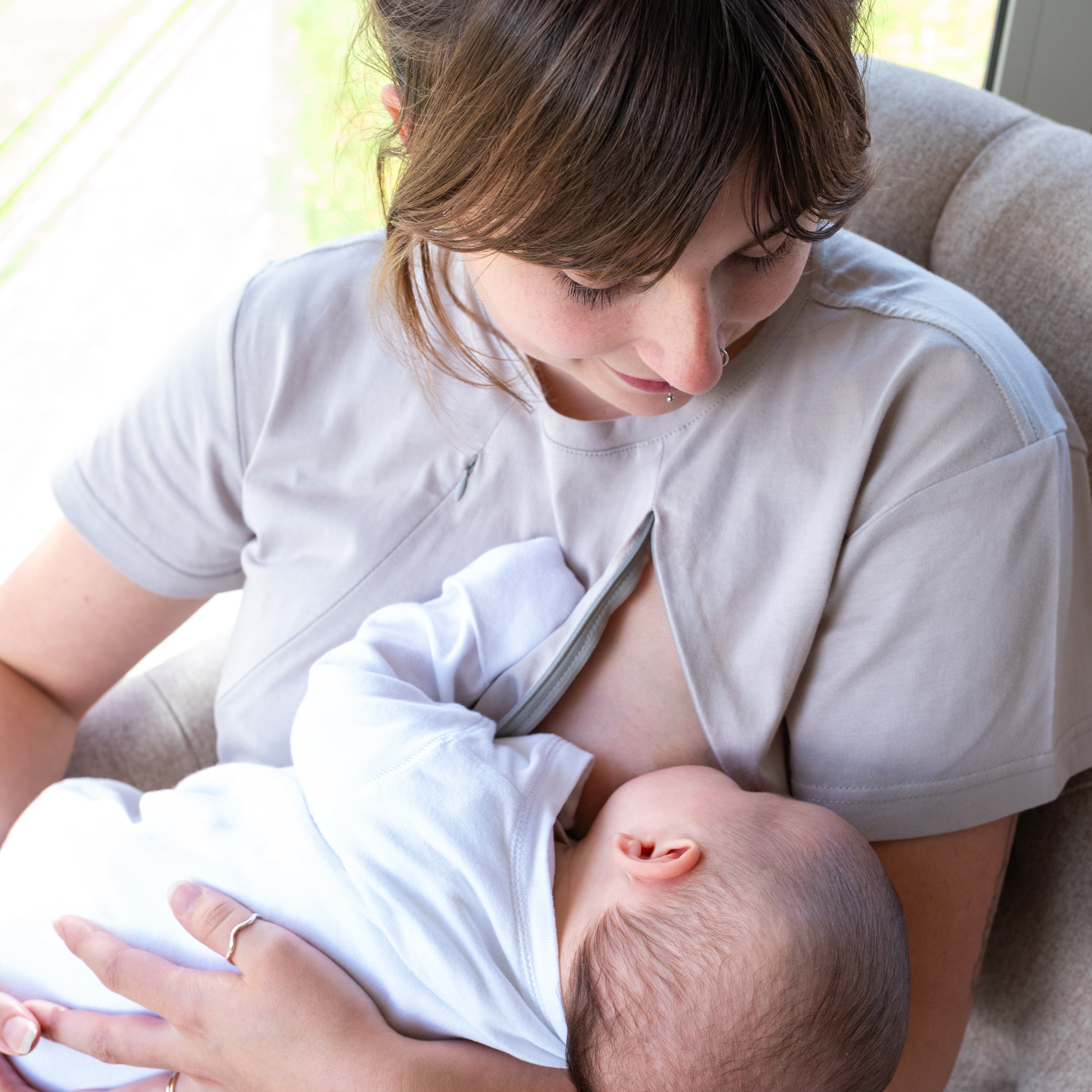
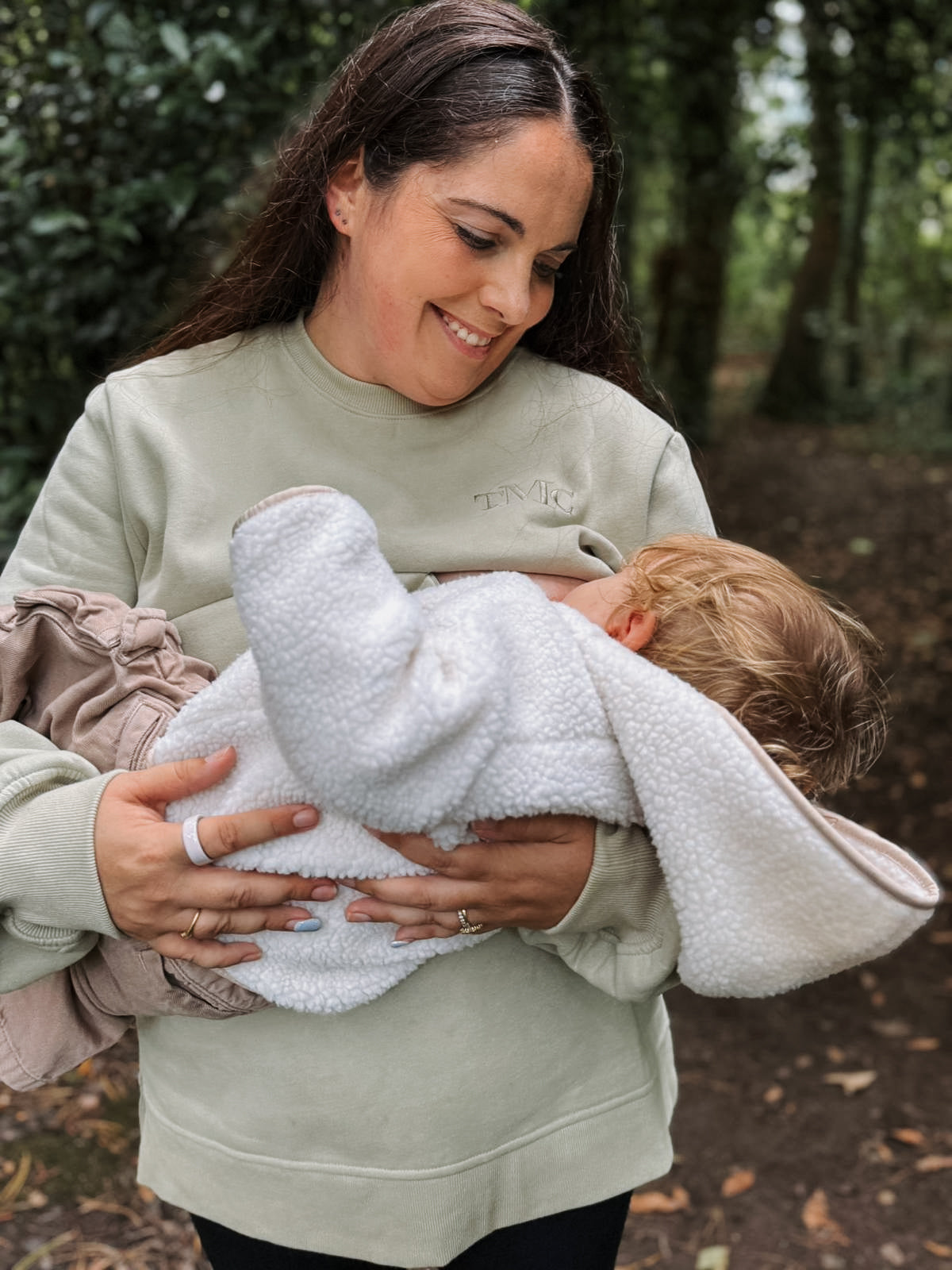
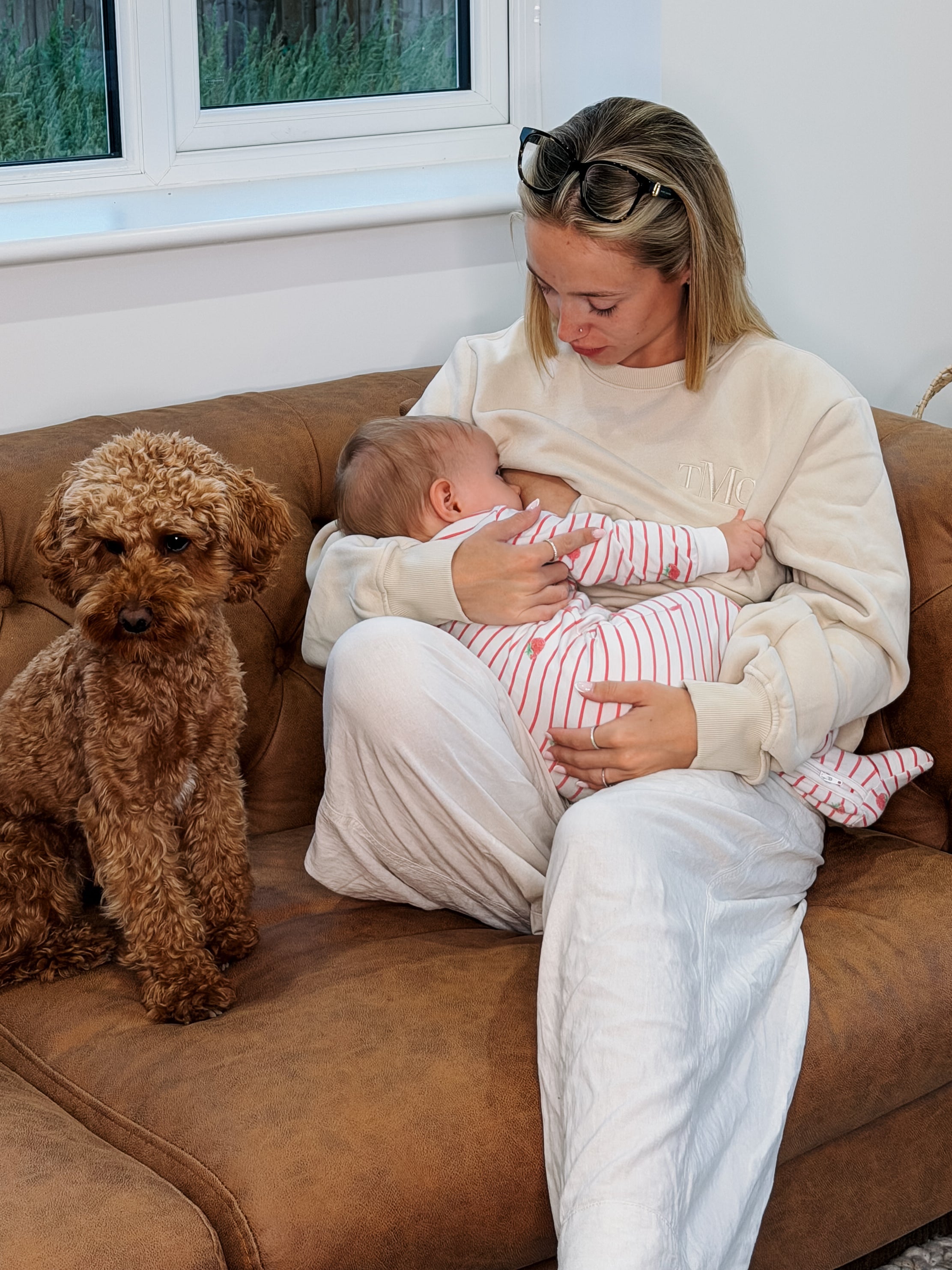
2-3 nursing-friendly tops with features like:
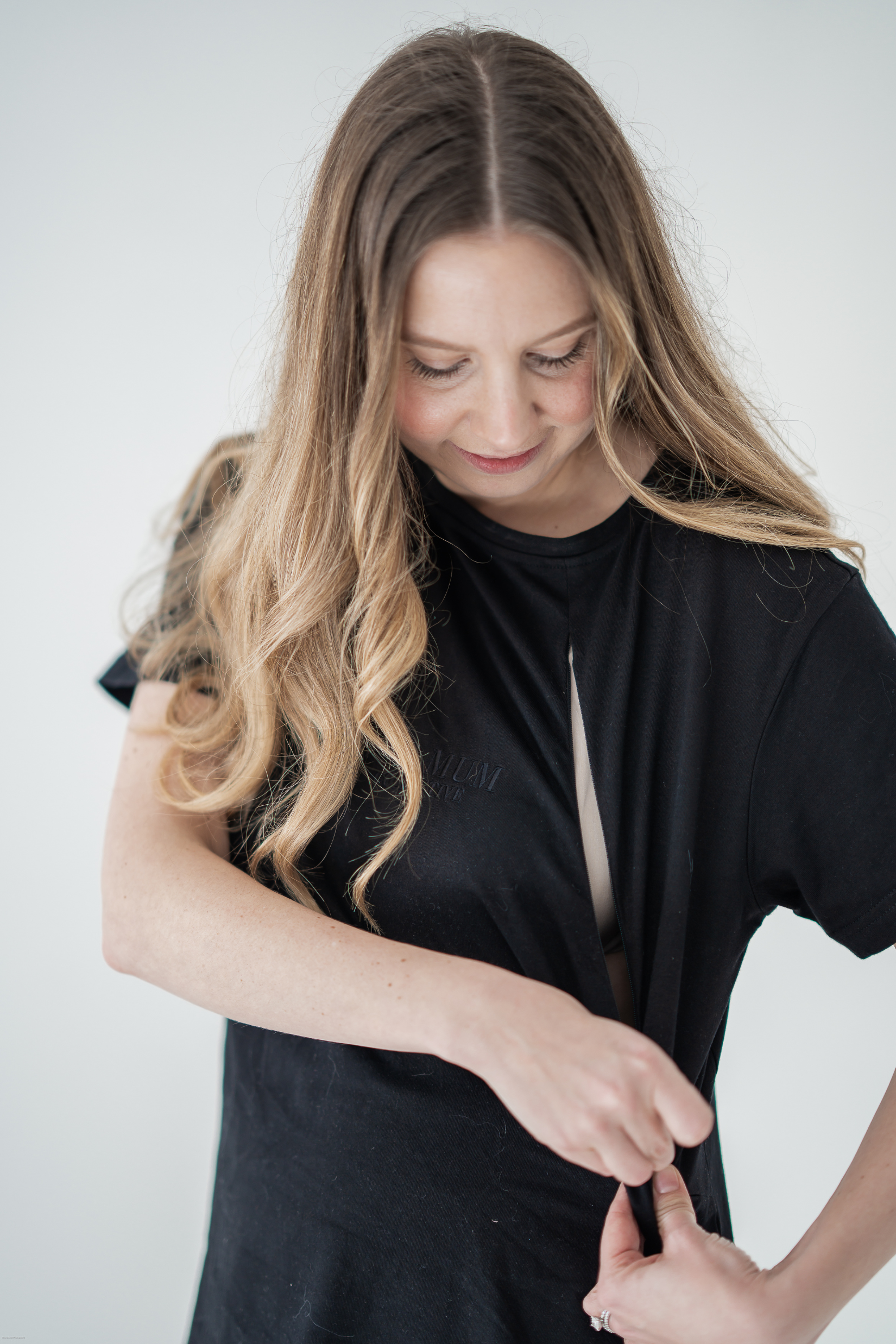
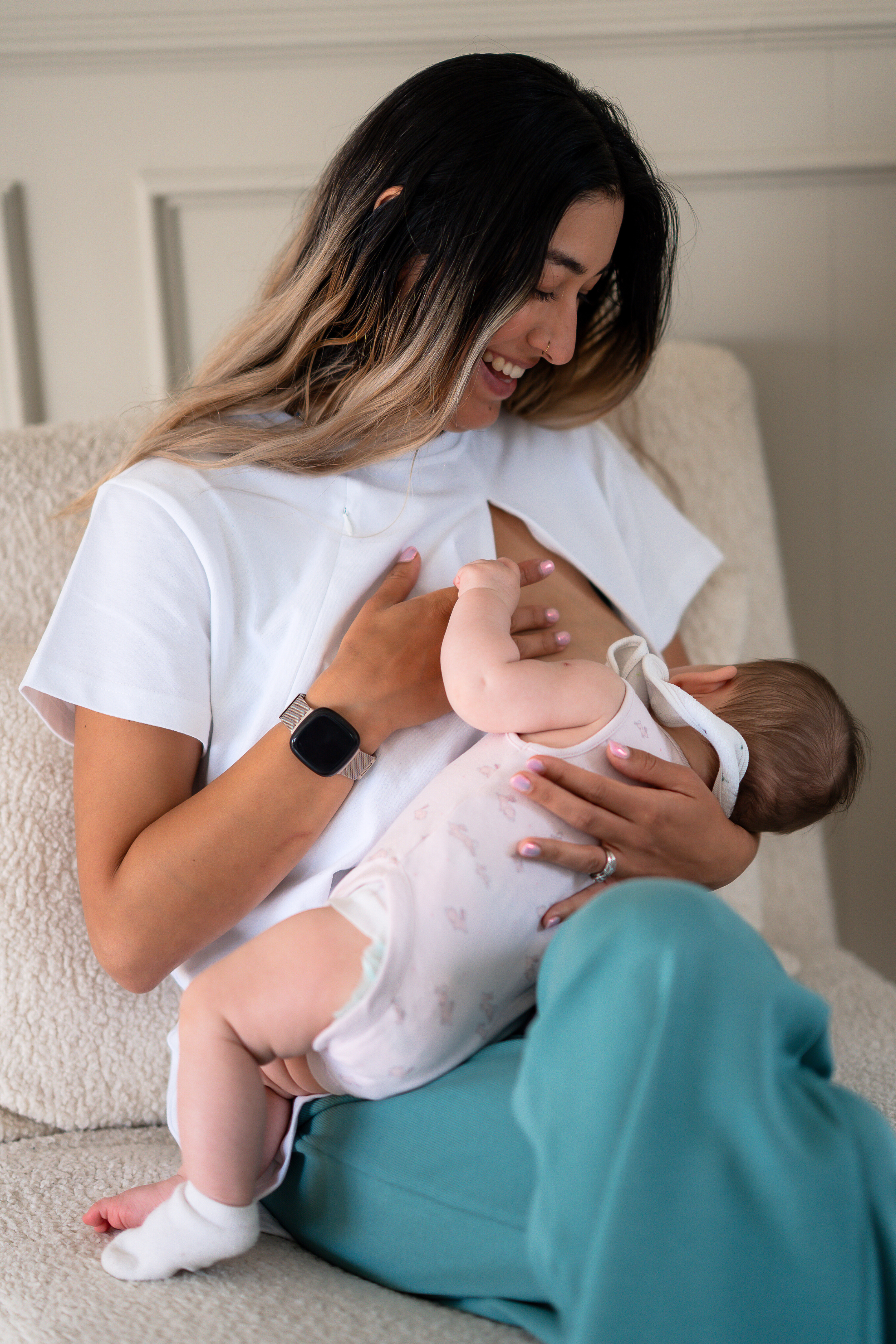
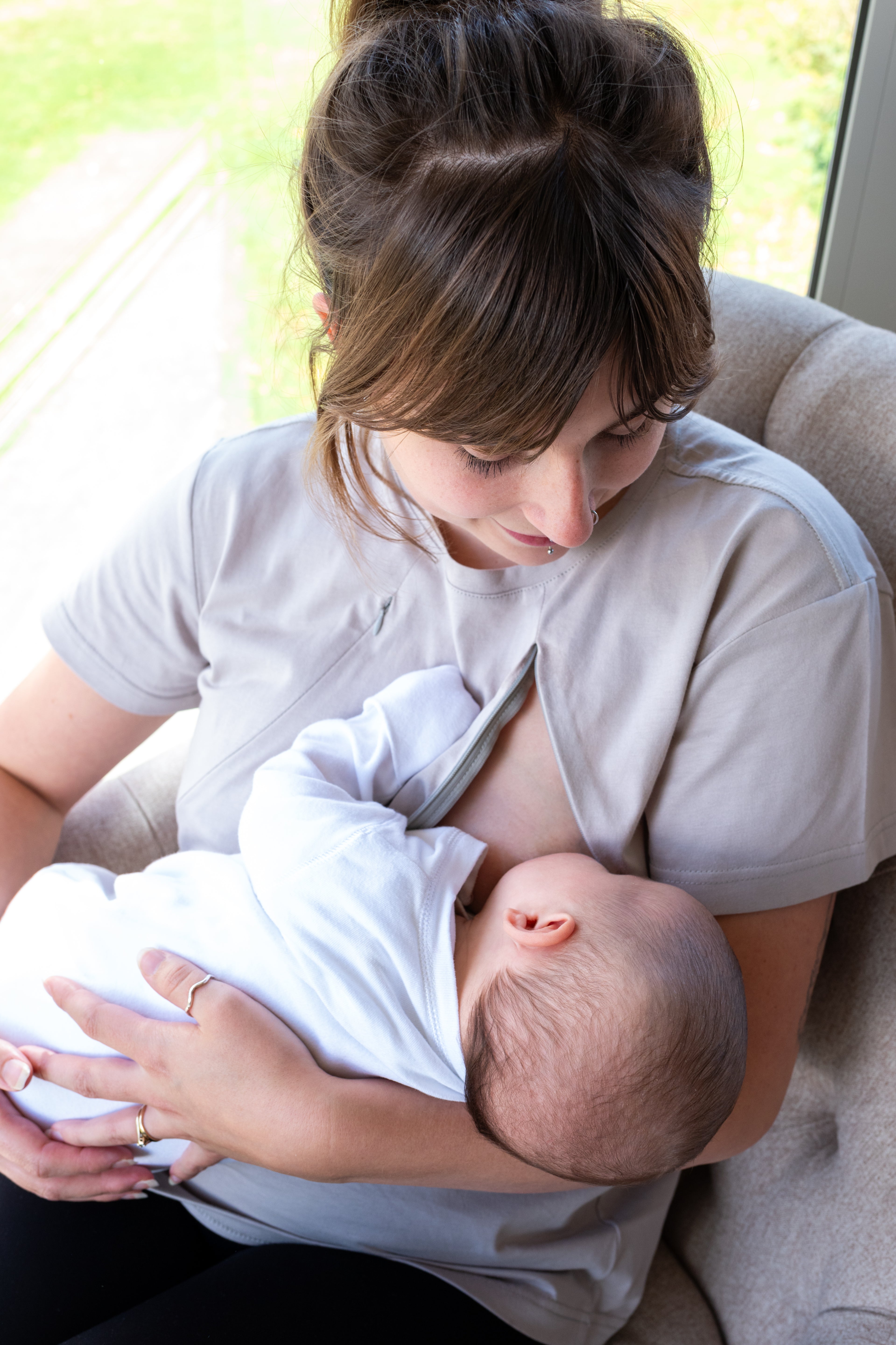
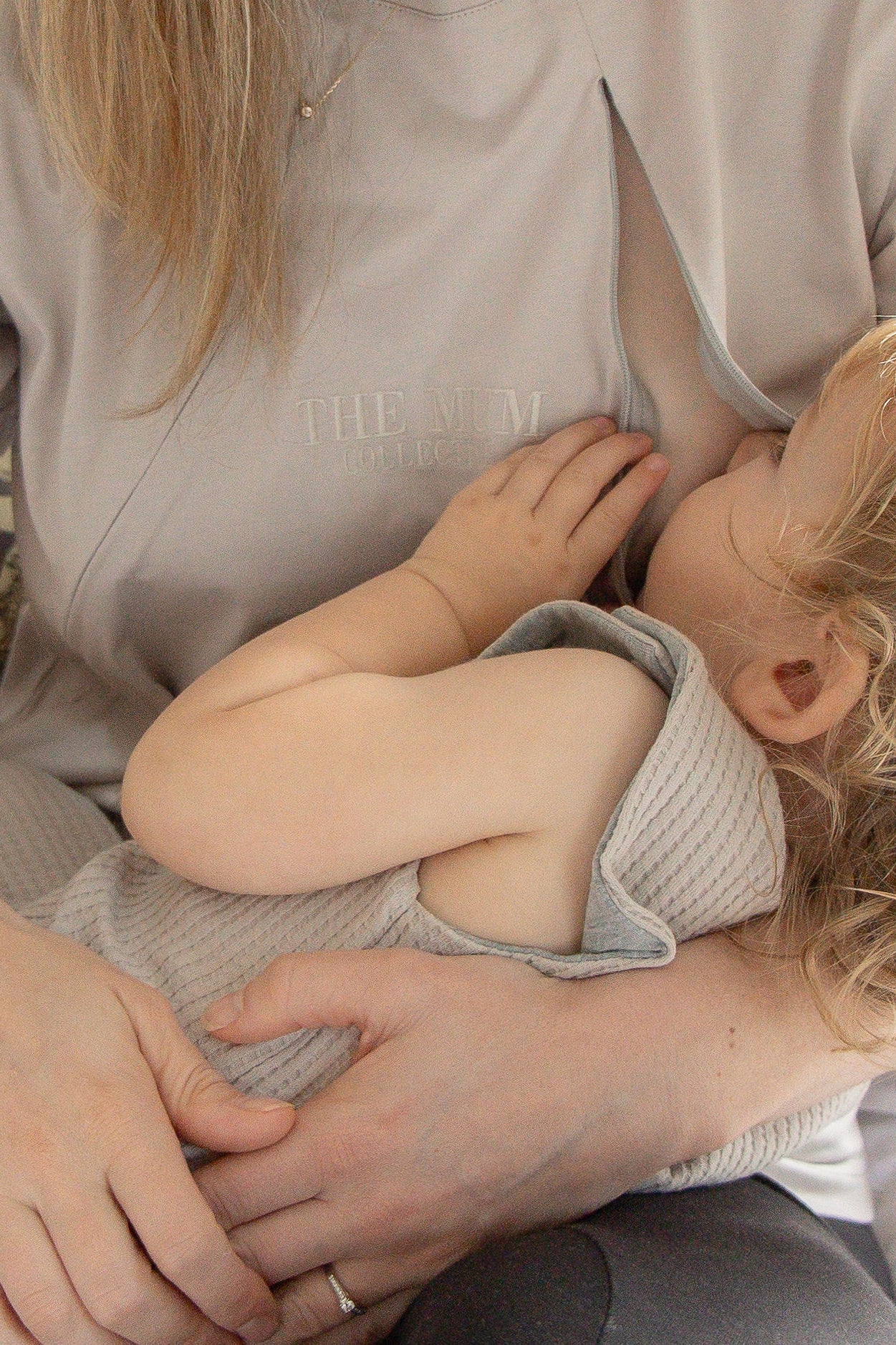
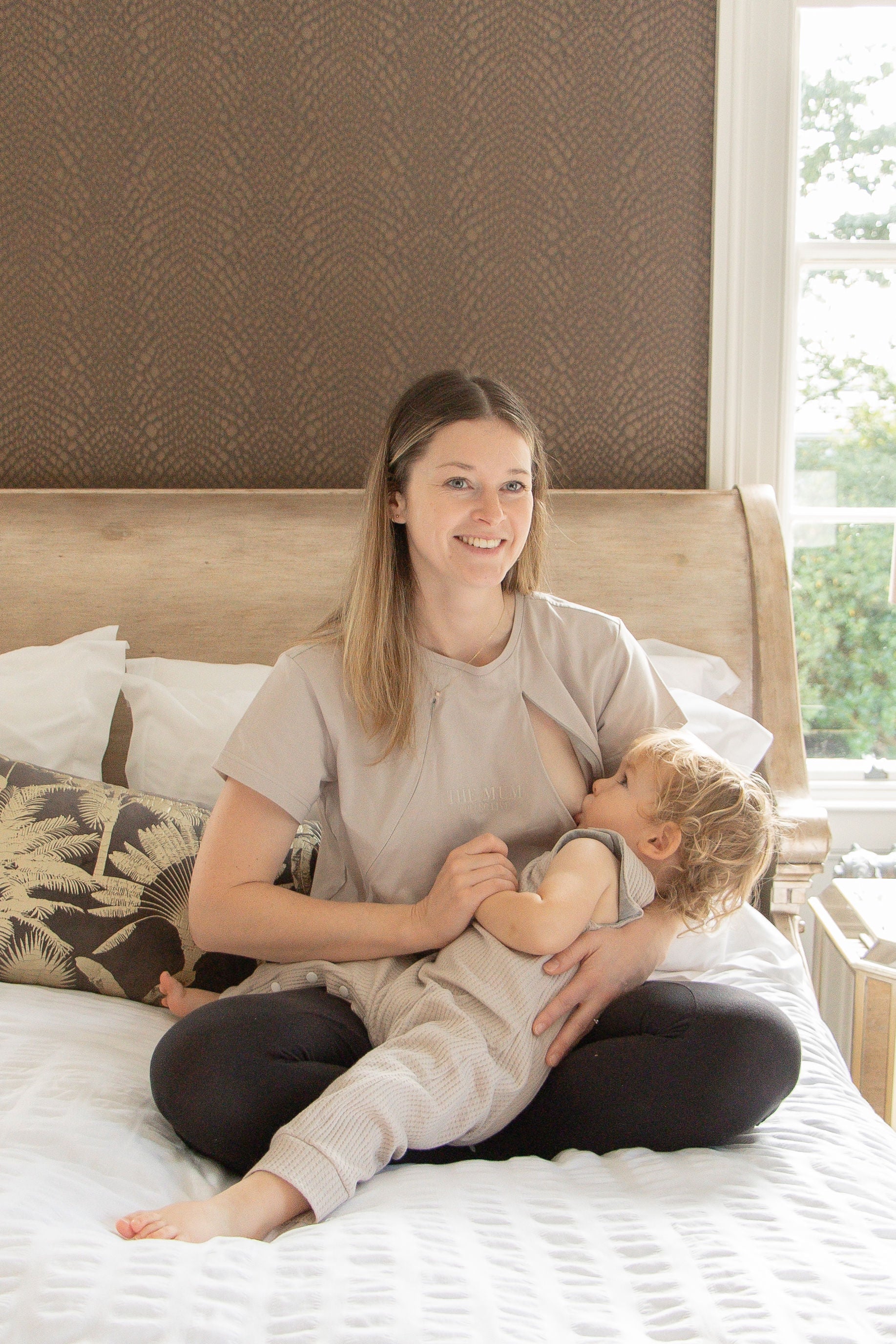
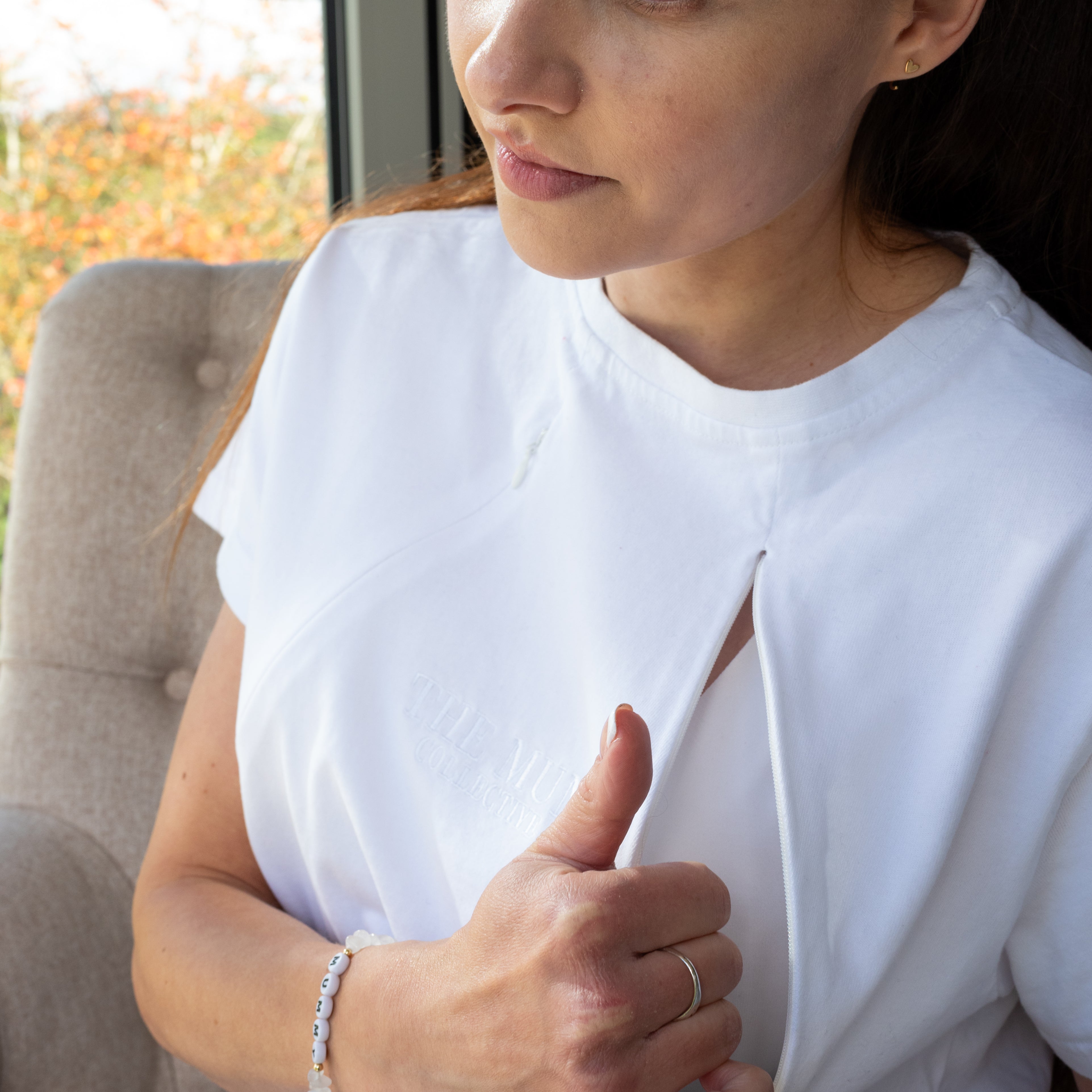
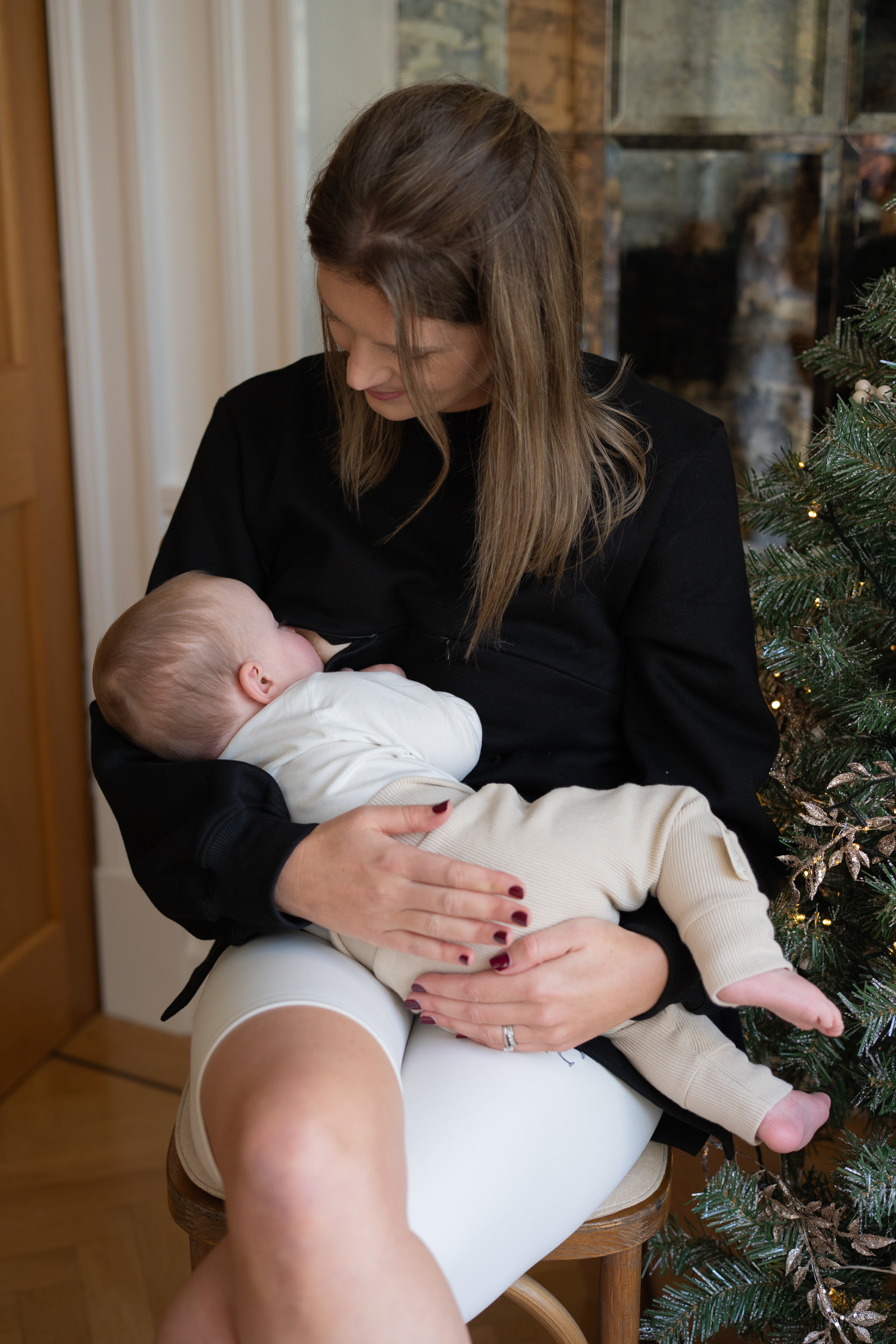
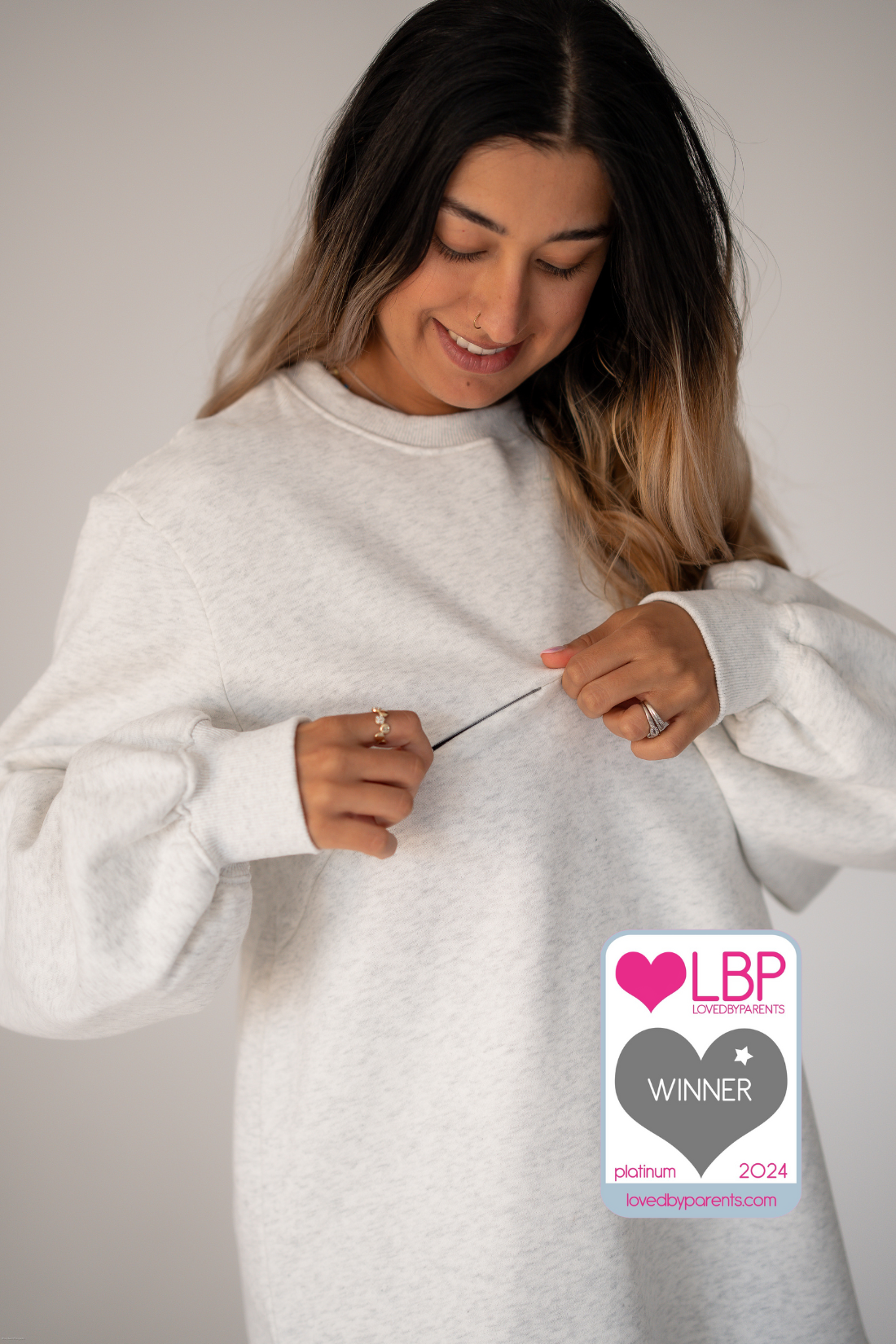
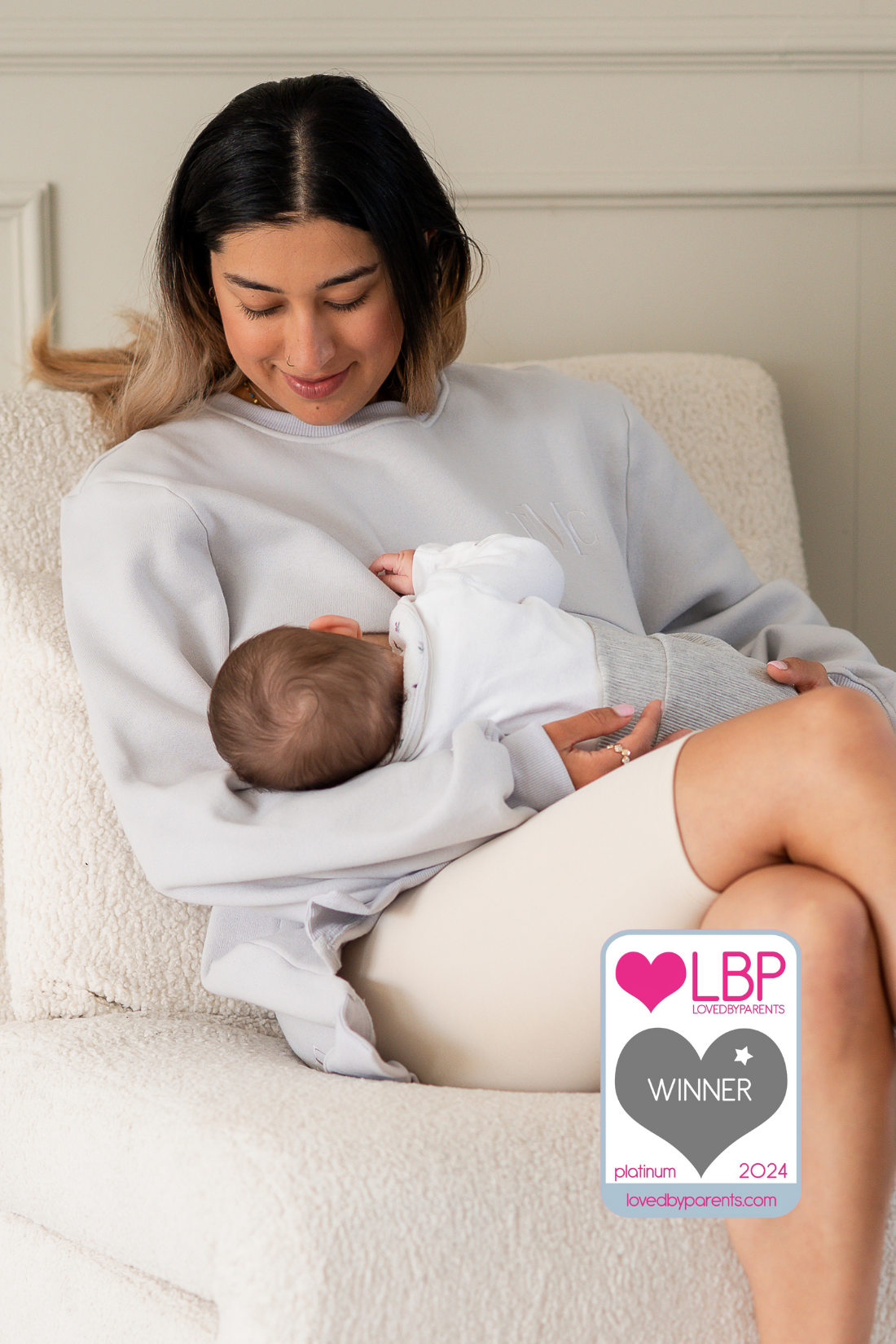
- Quarter-zip or wrap designs for easy breastfeeding access later
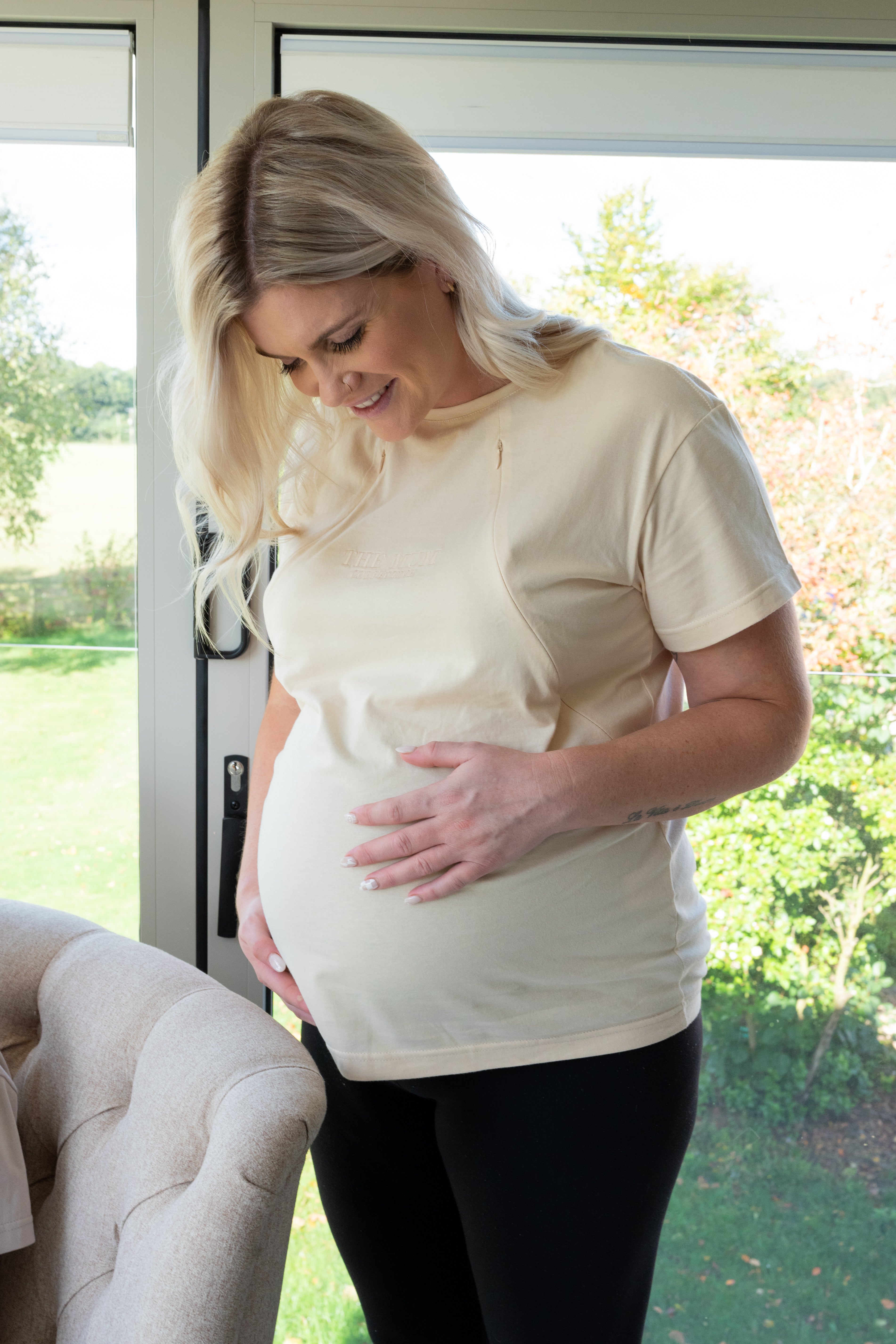
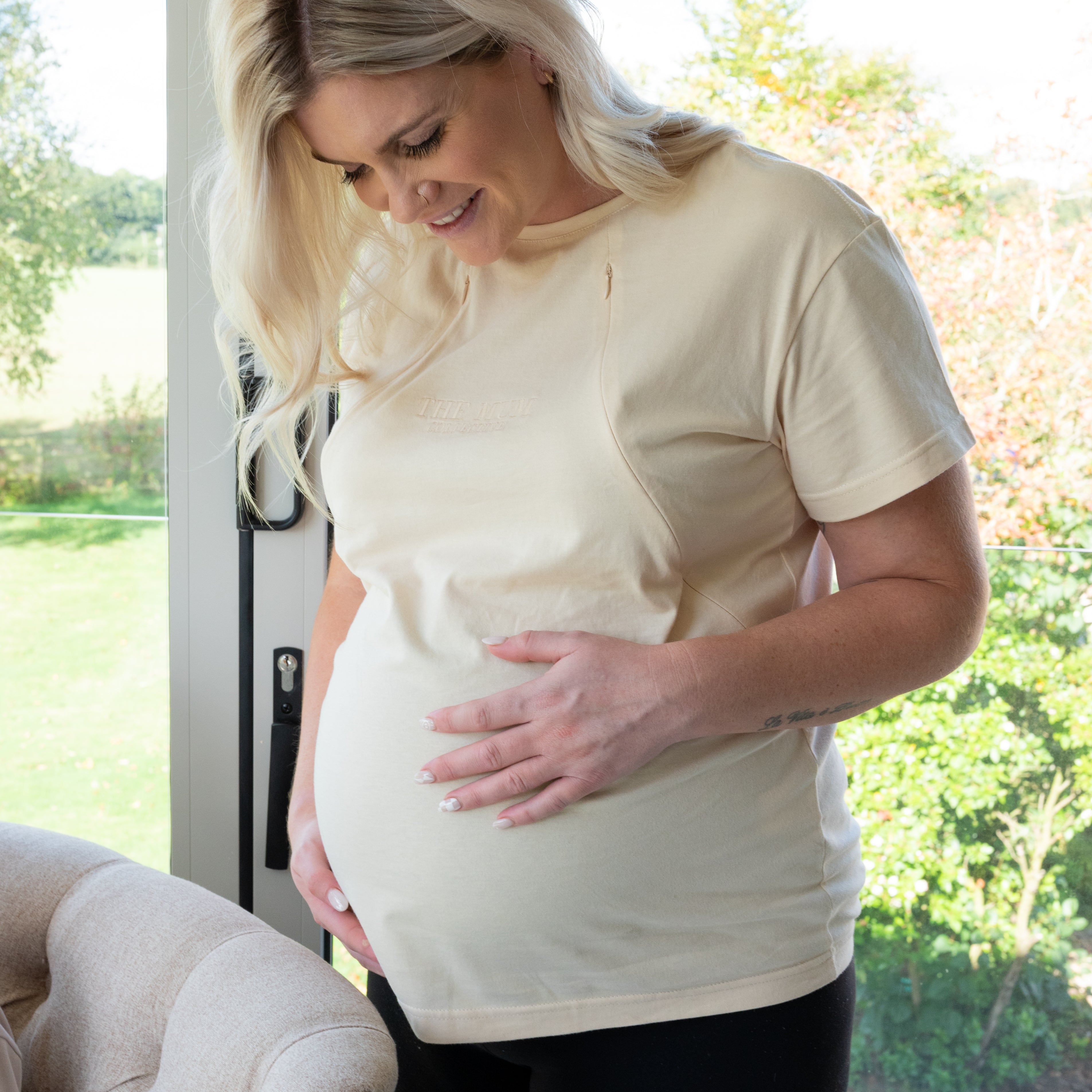
- Soft, stretchy fabrics that accommodate your growing bump
- Longer length to prevent riding up over your belly
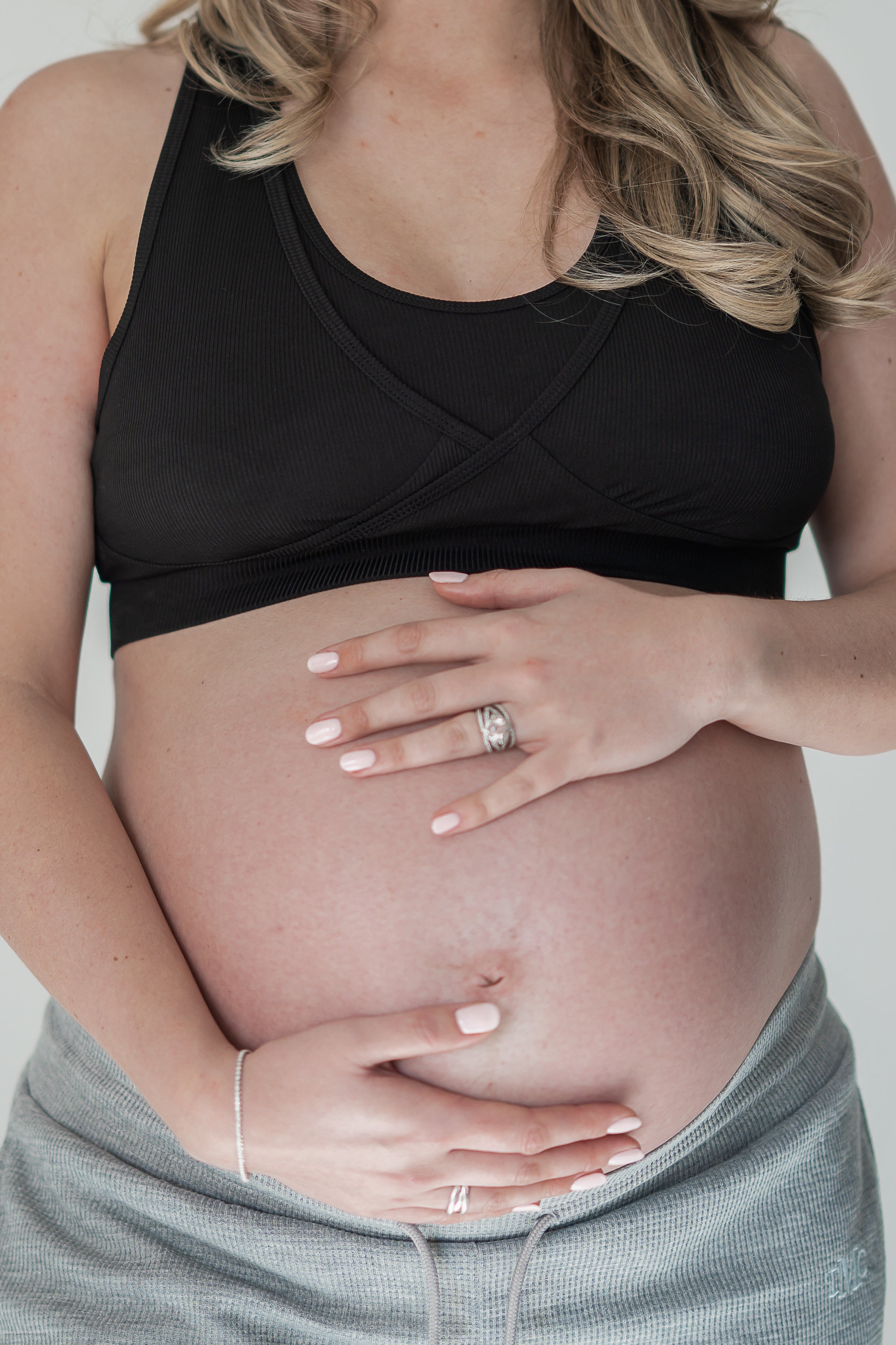
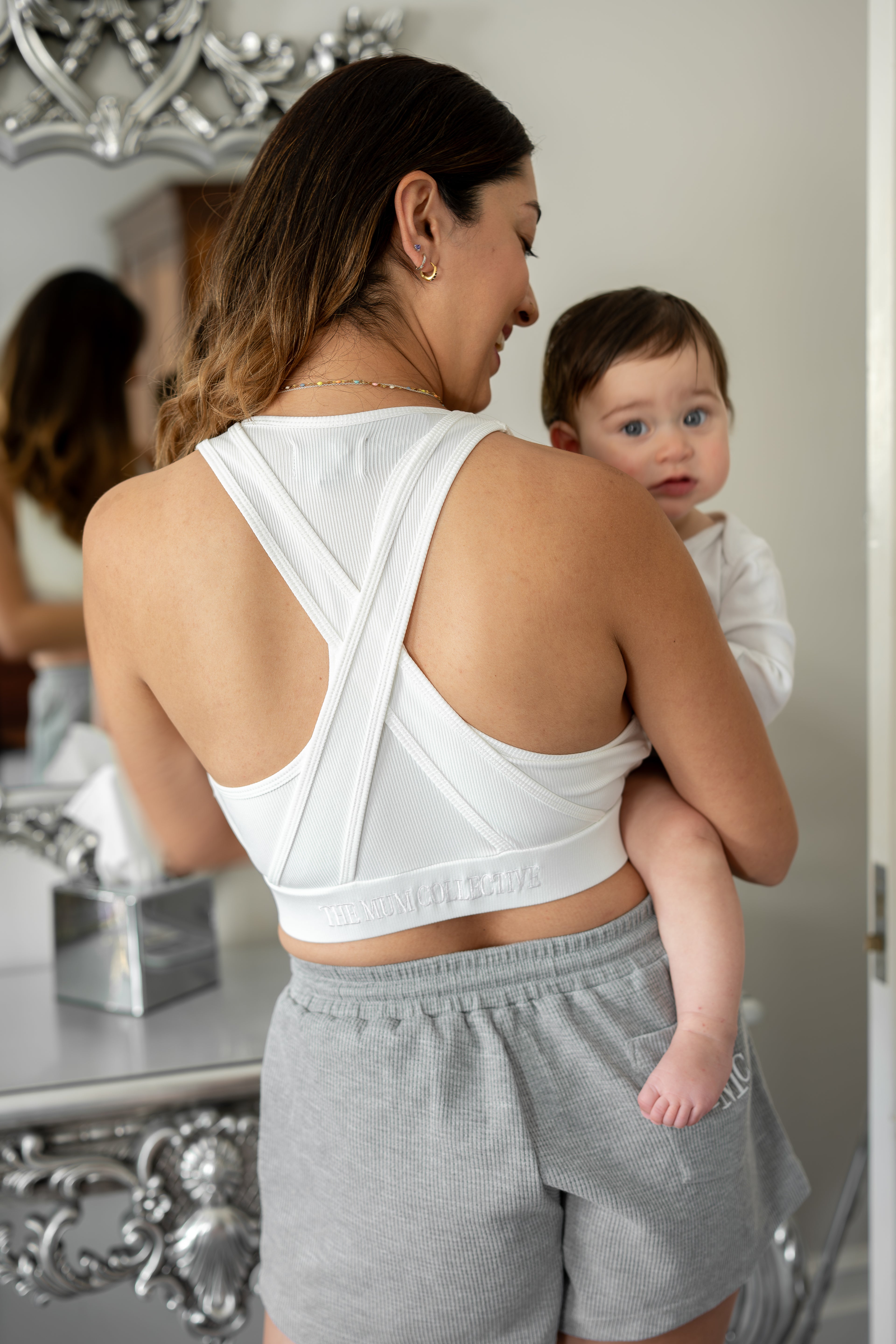
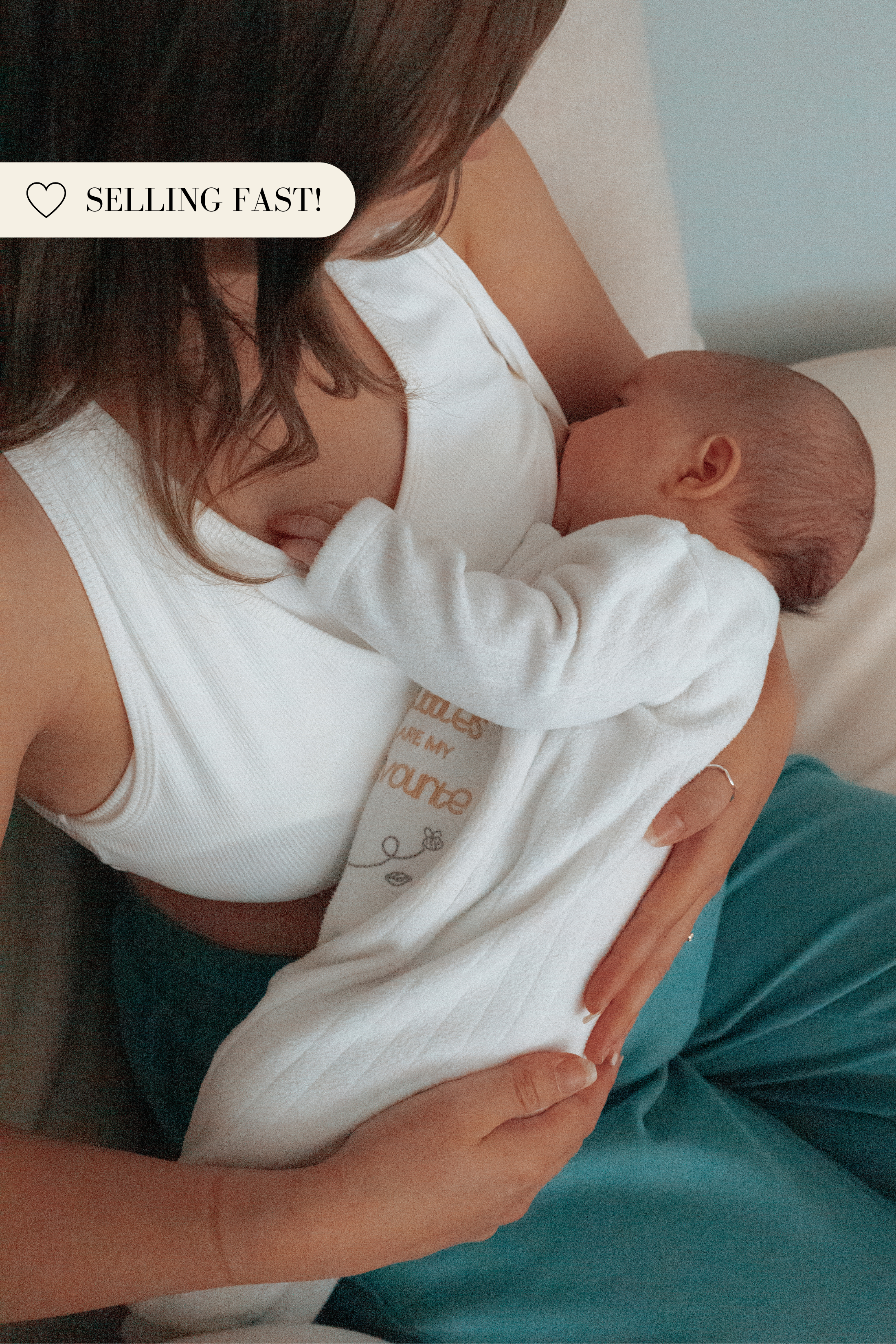
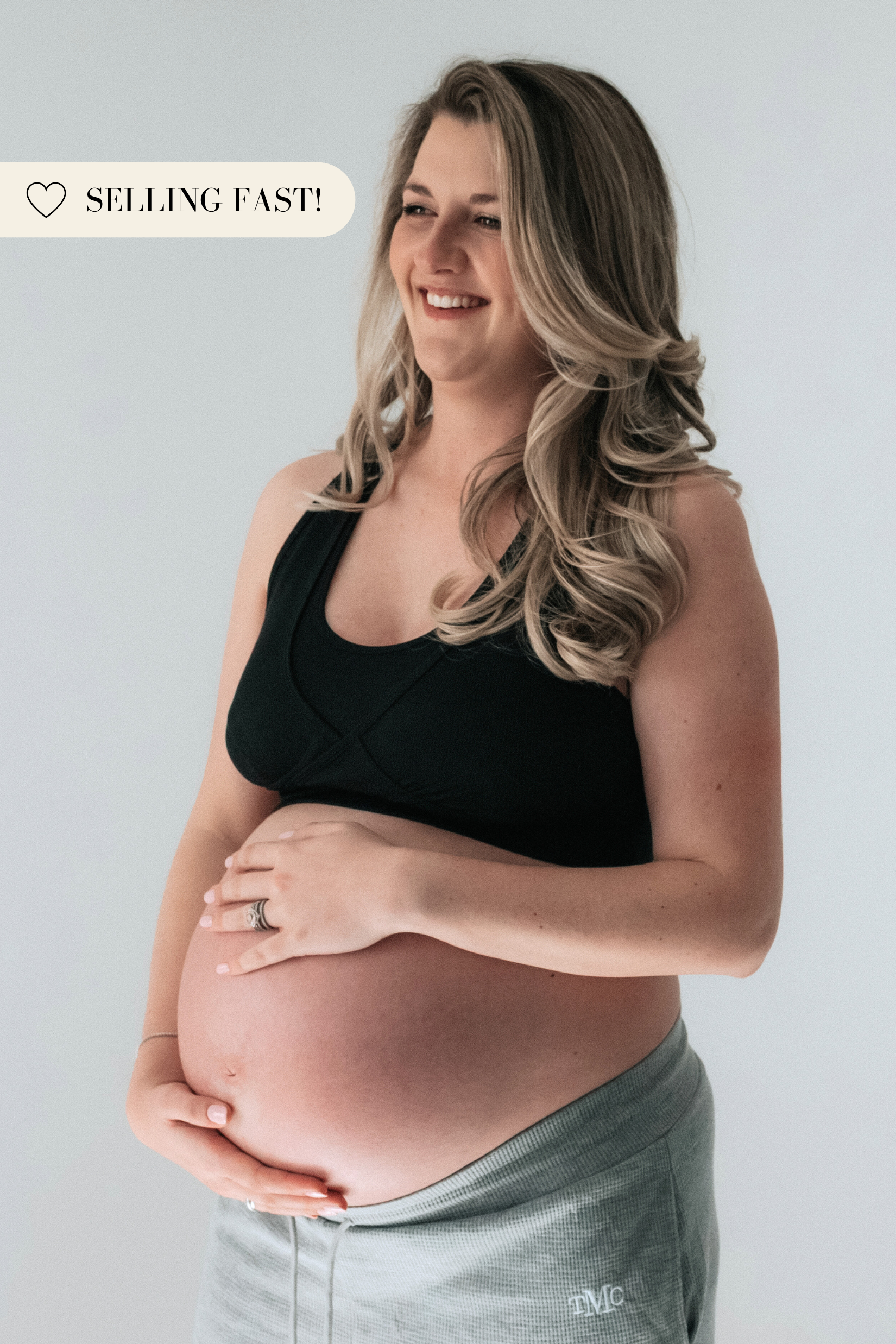
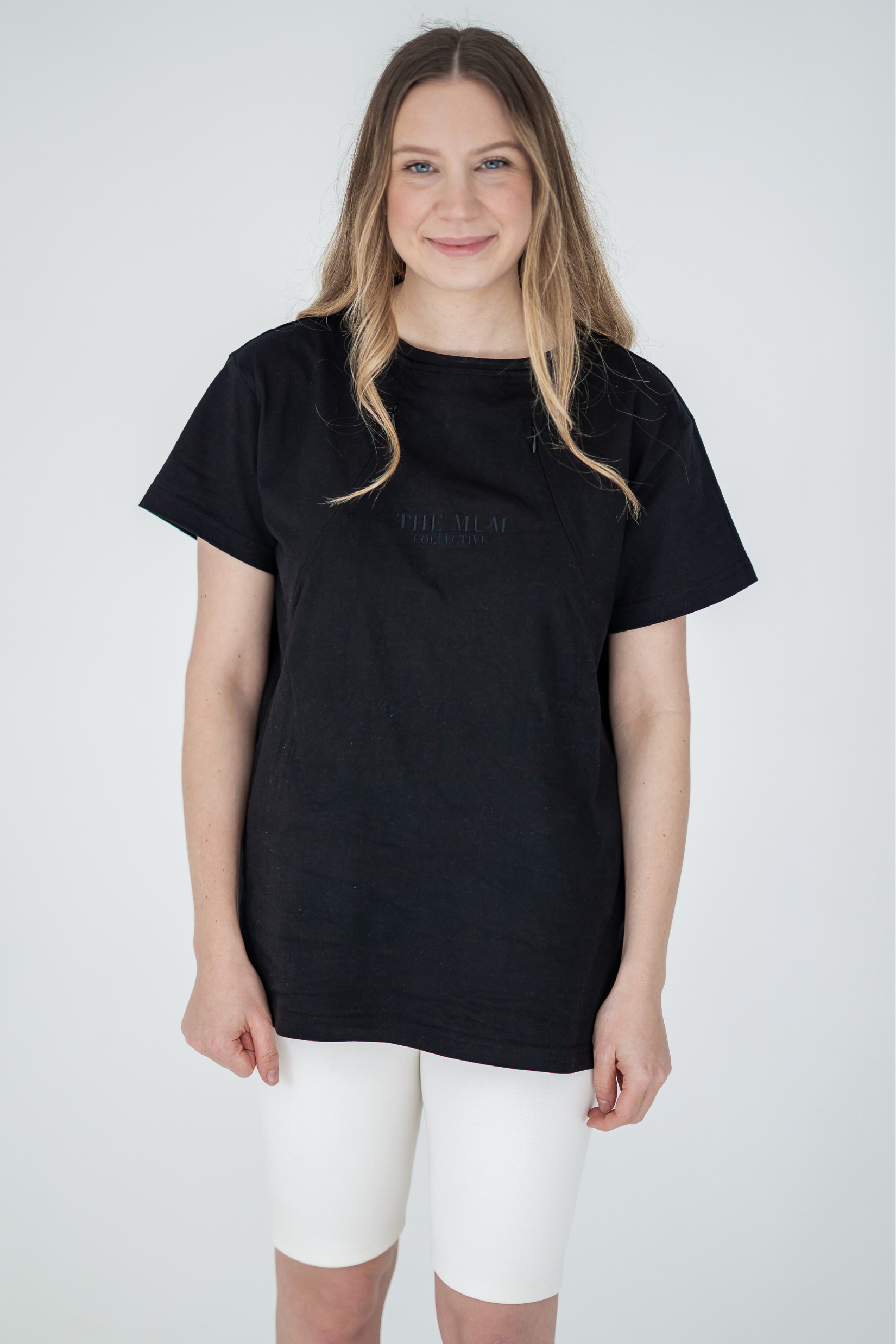
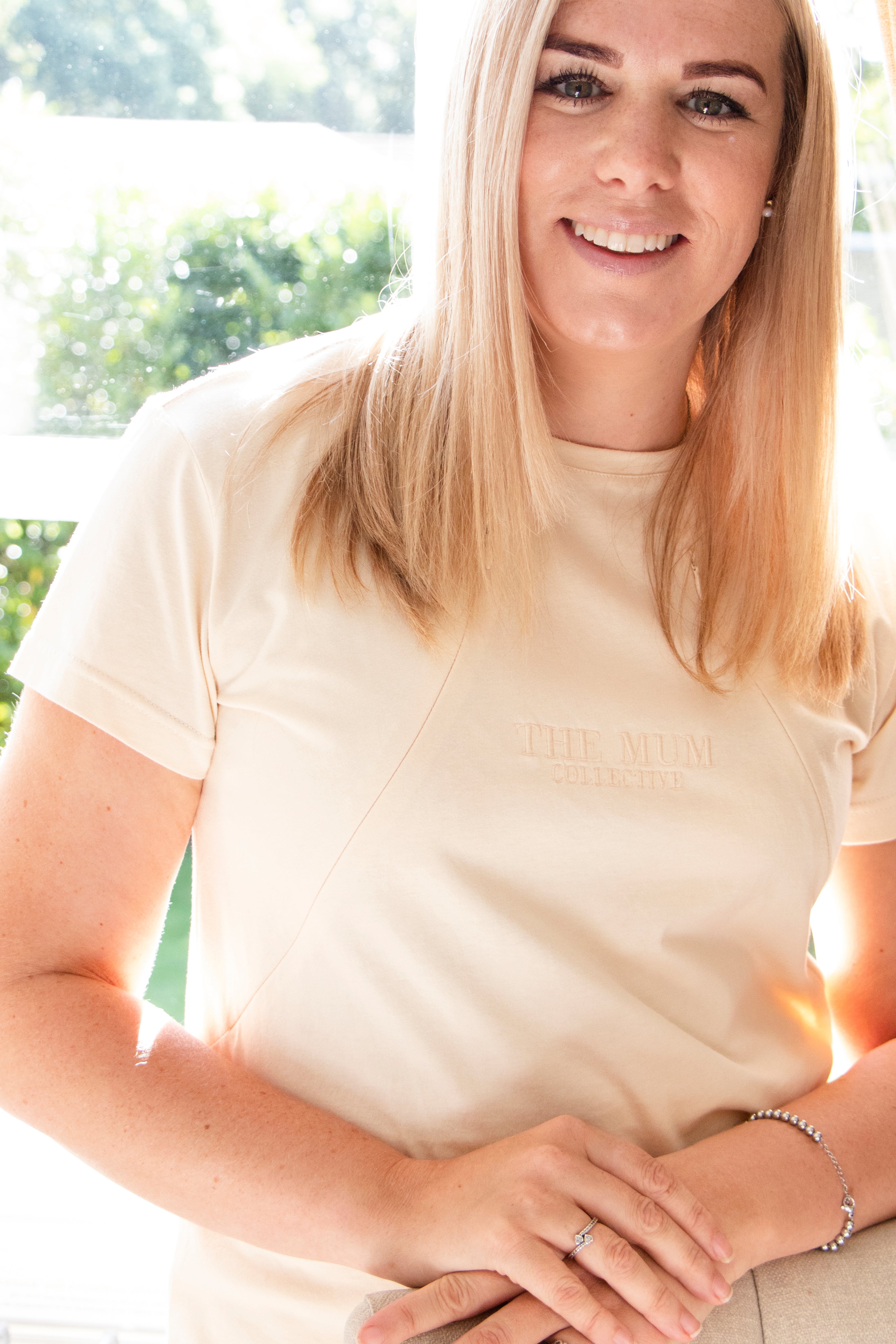
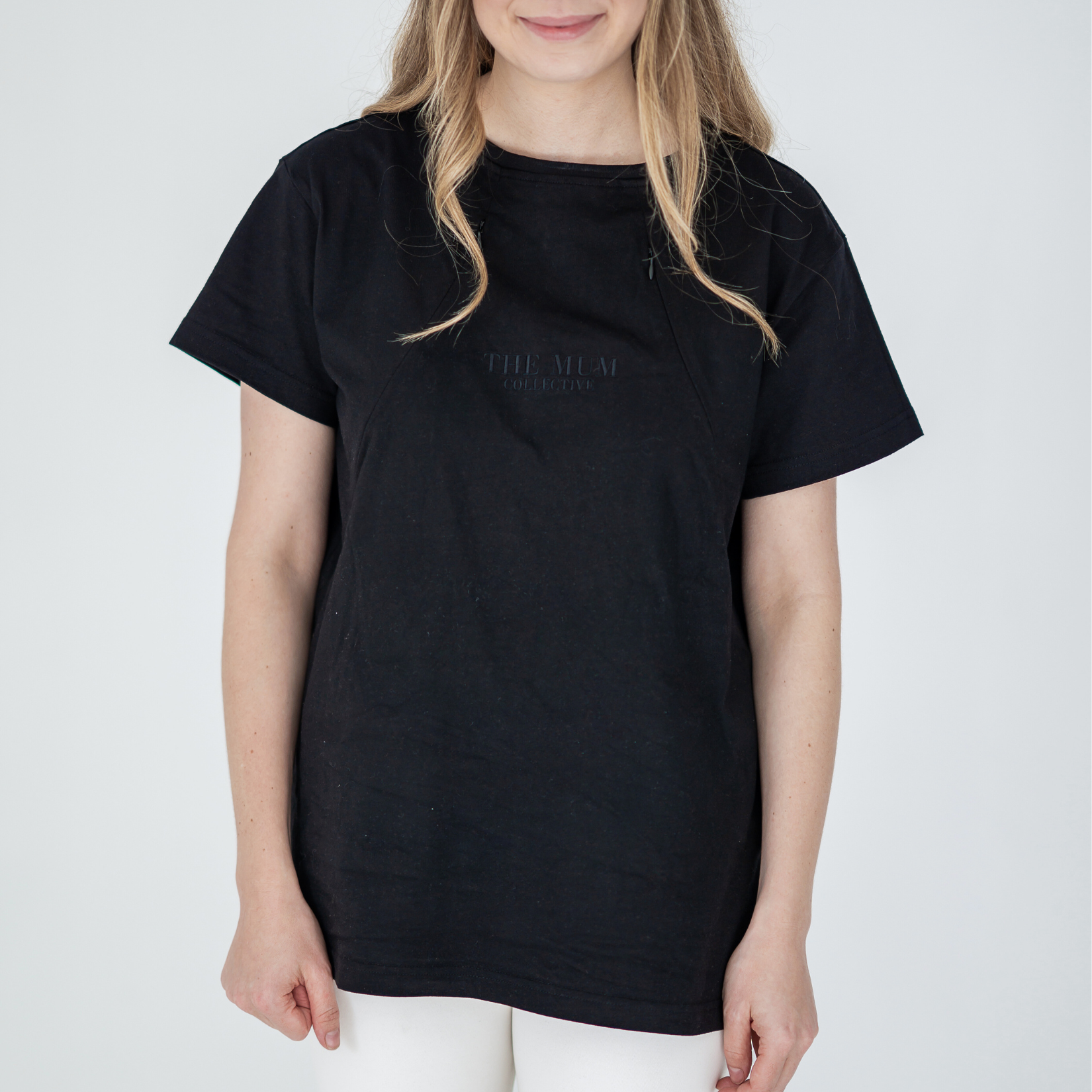
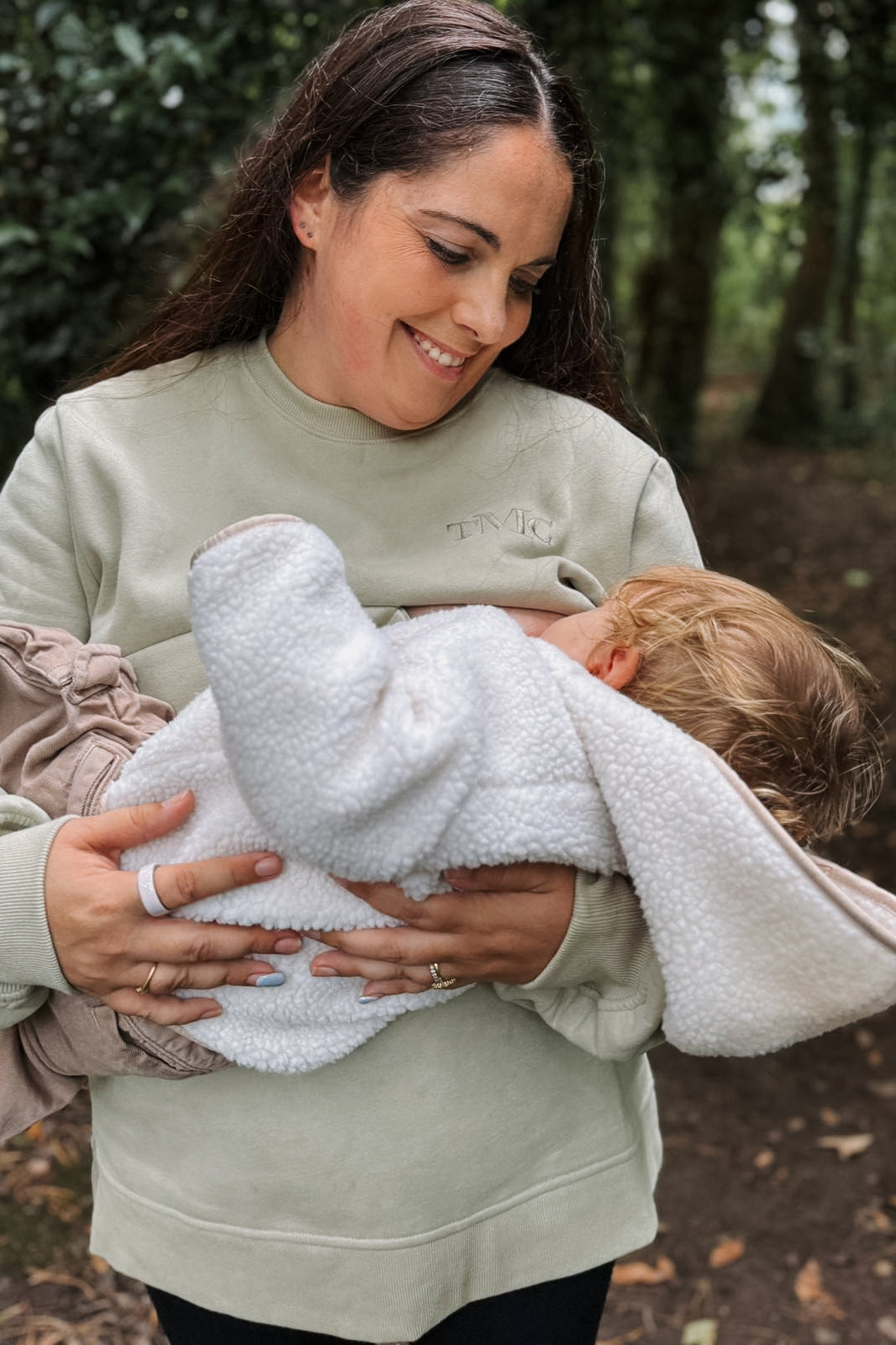
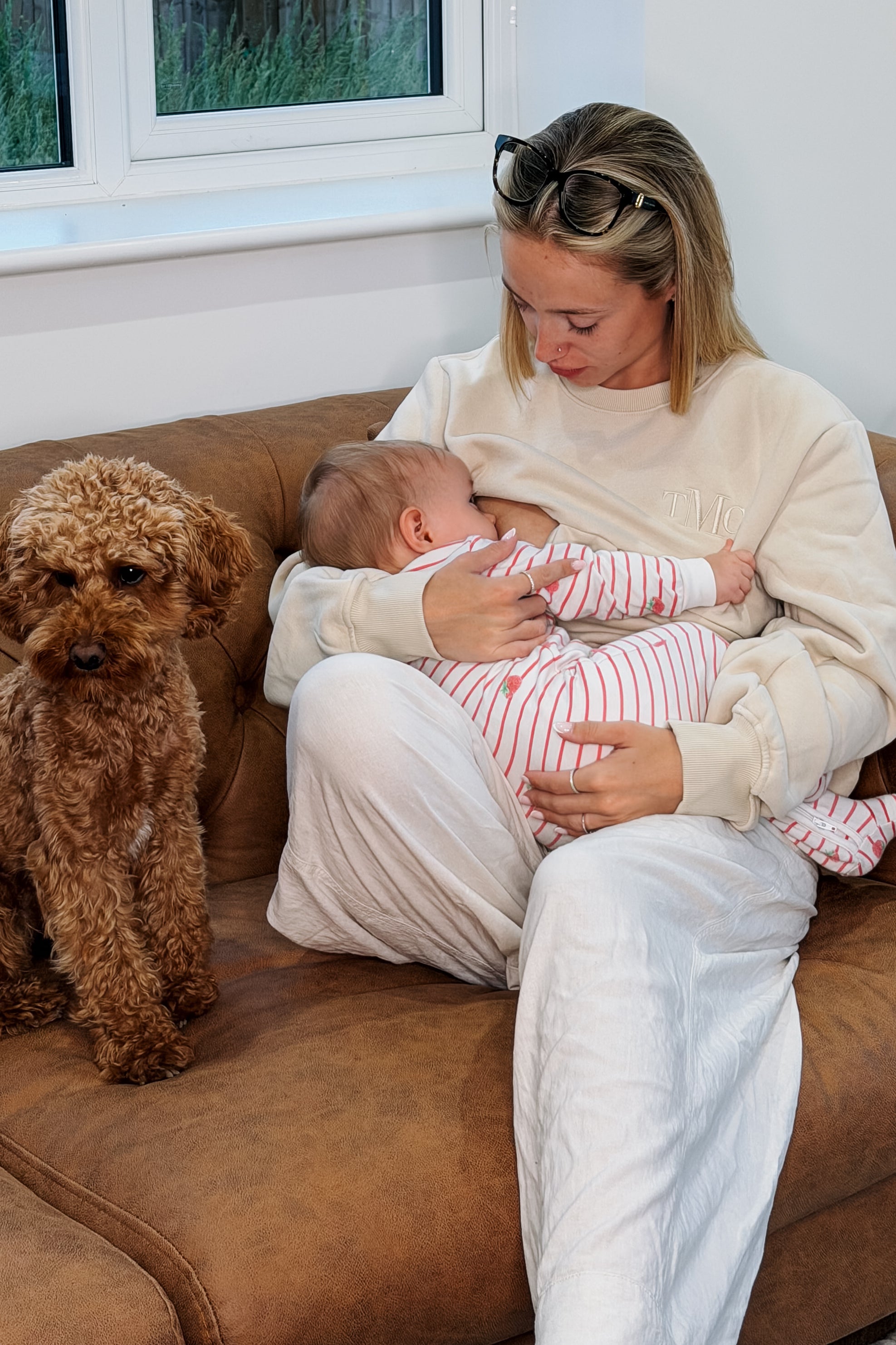
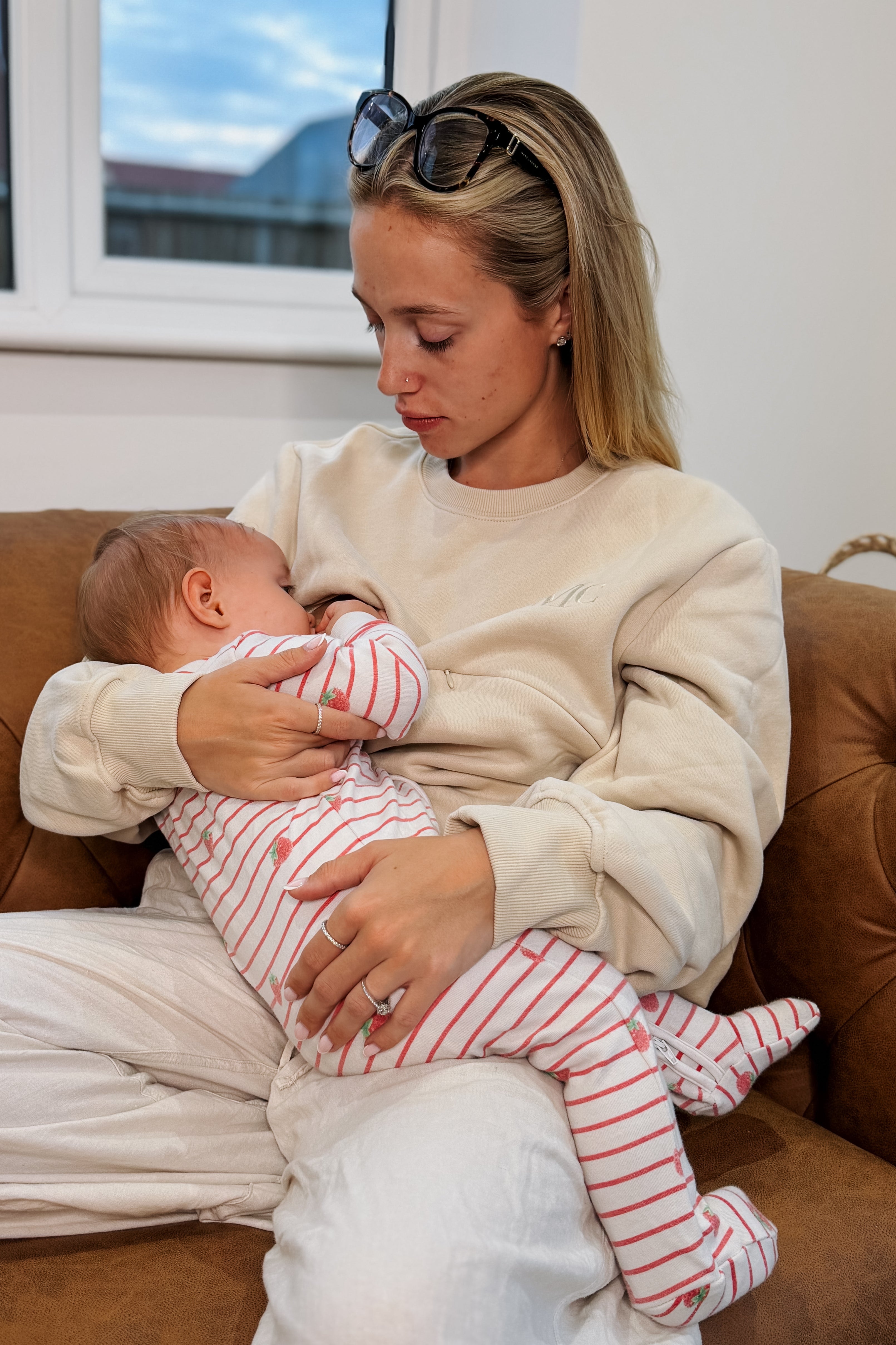
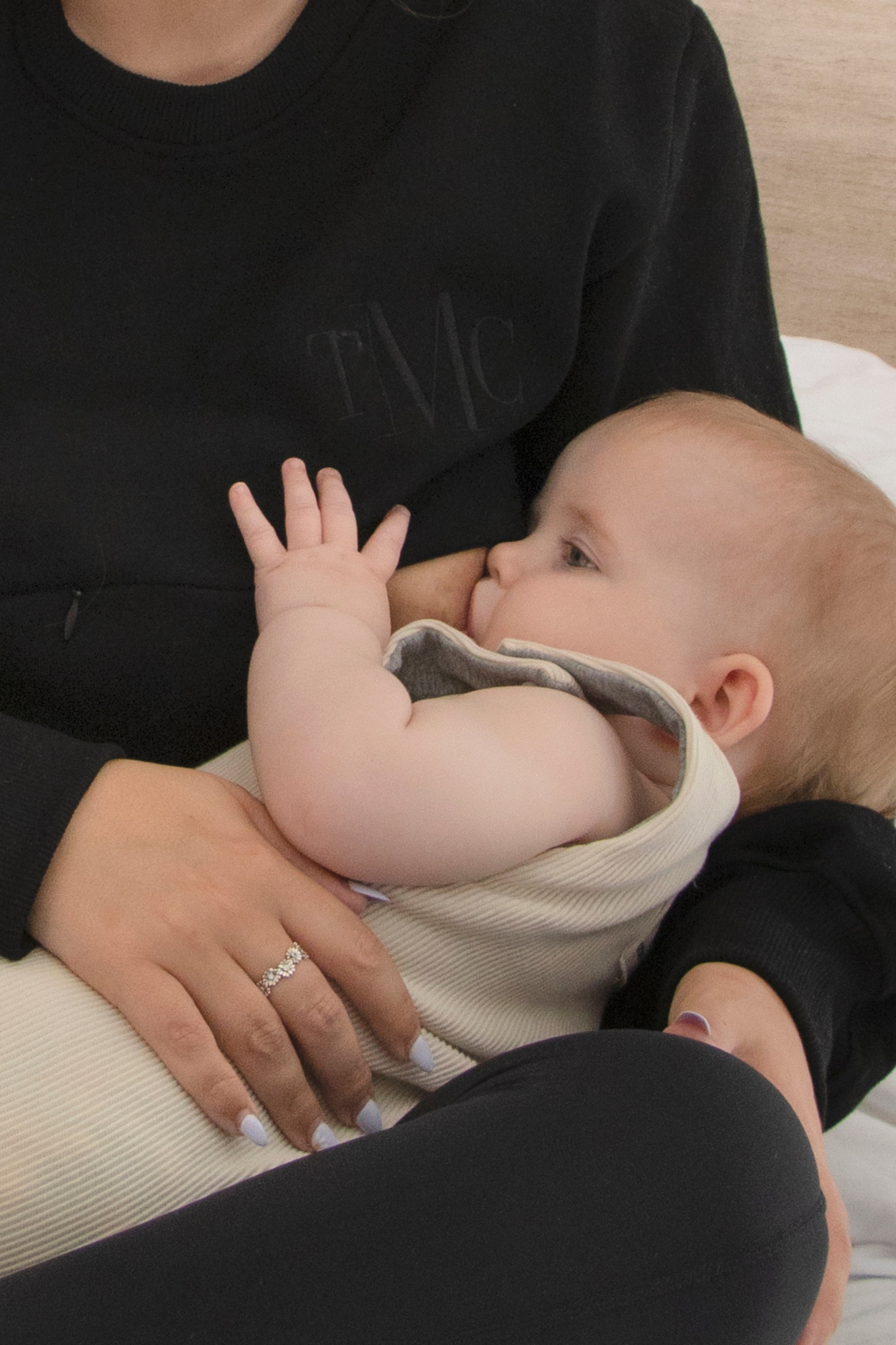
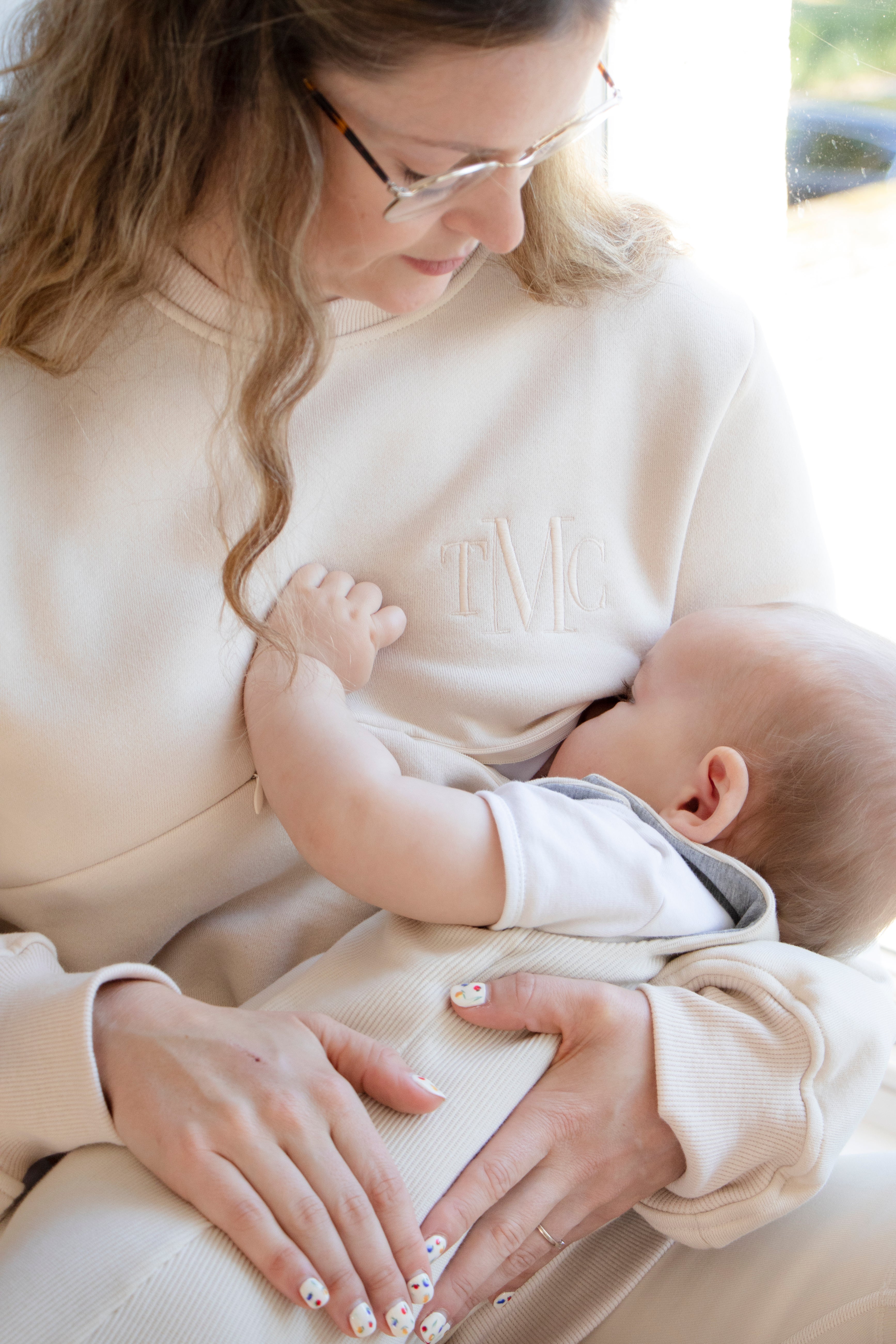
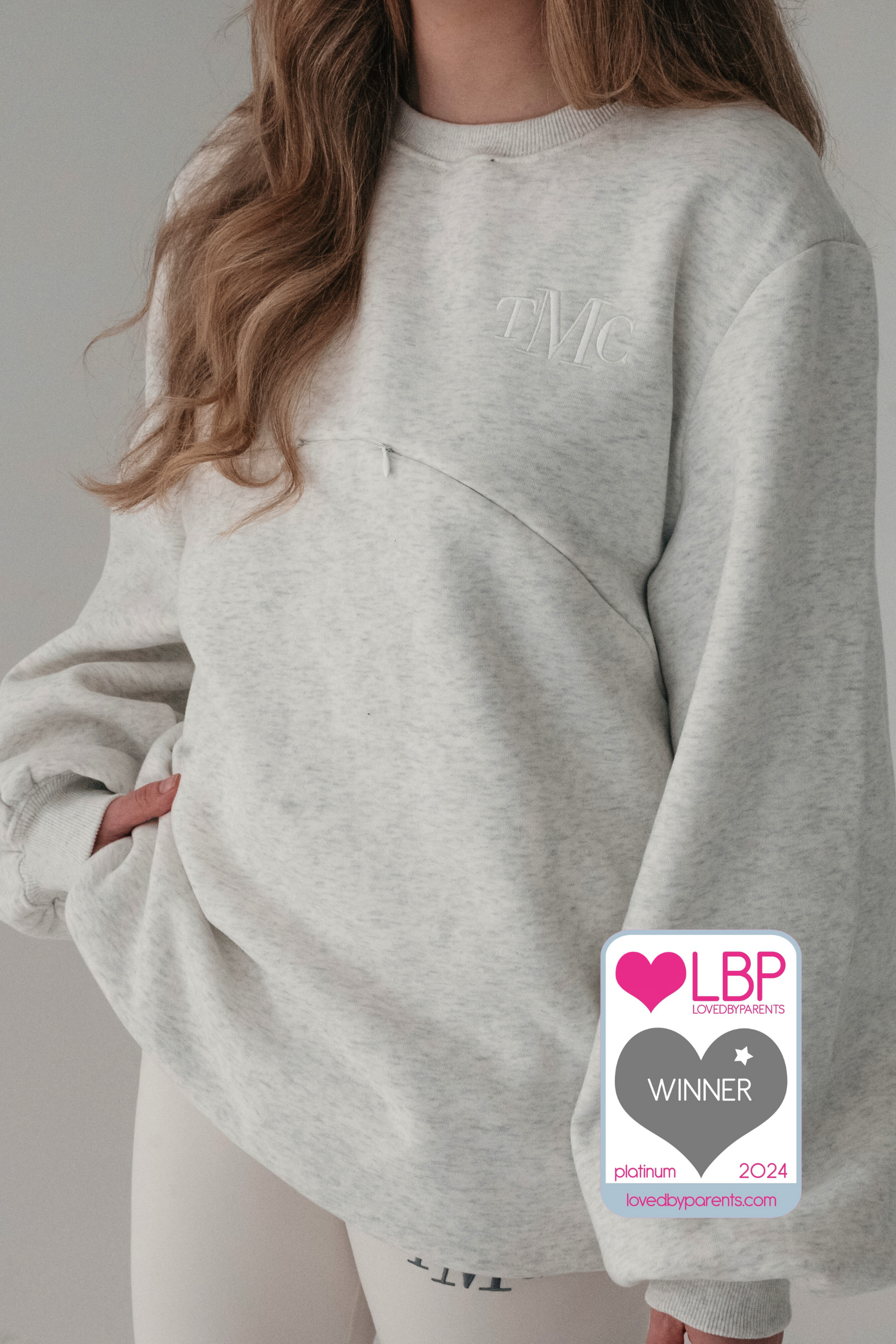
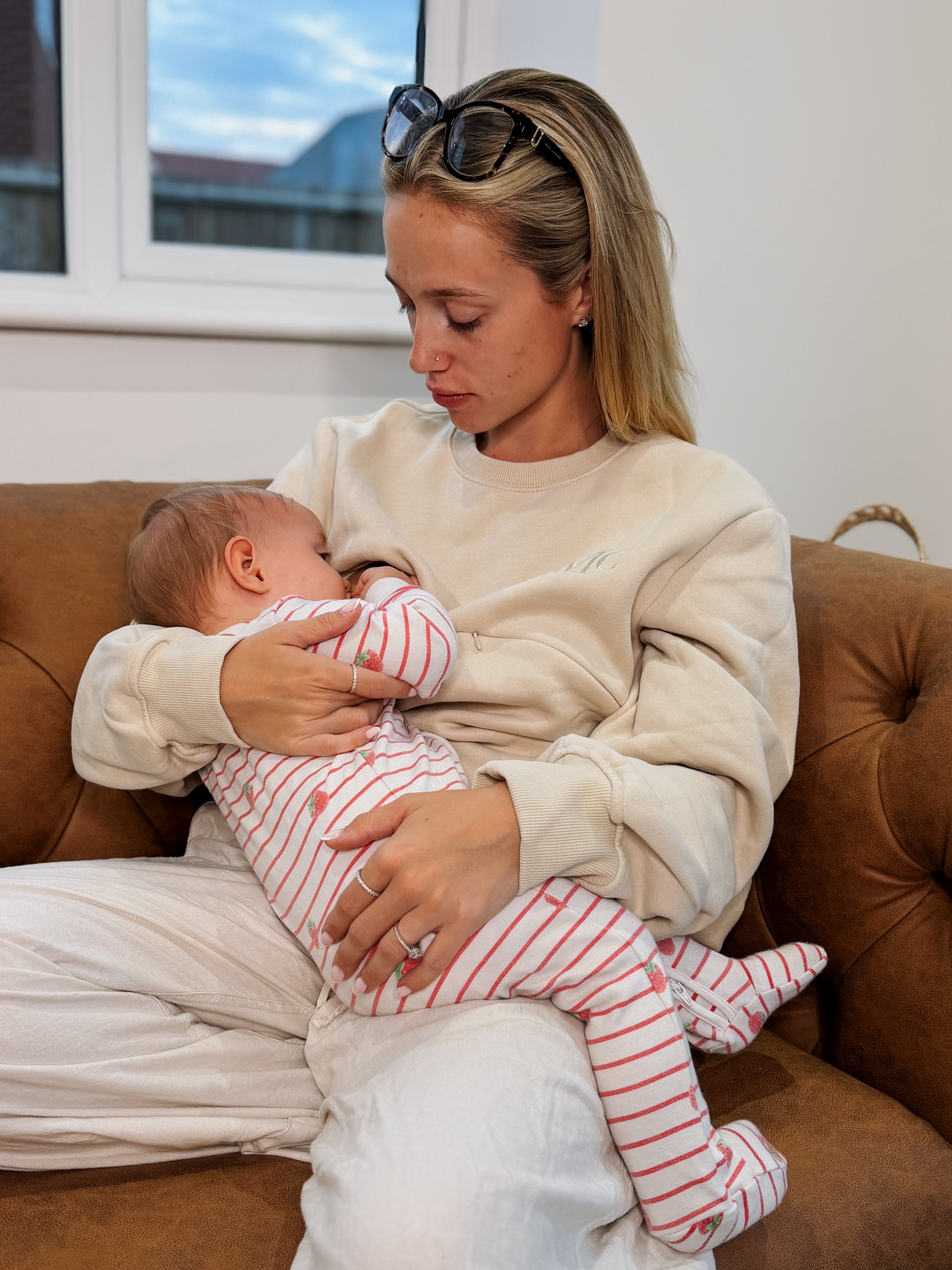
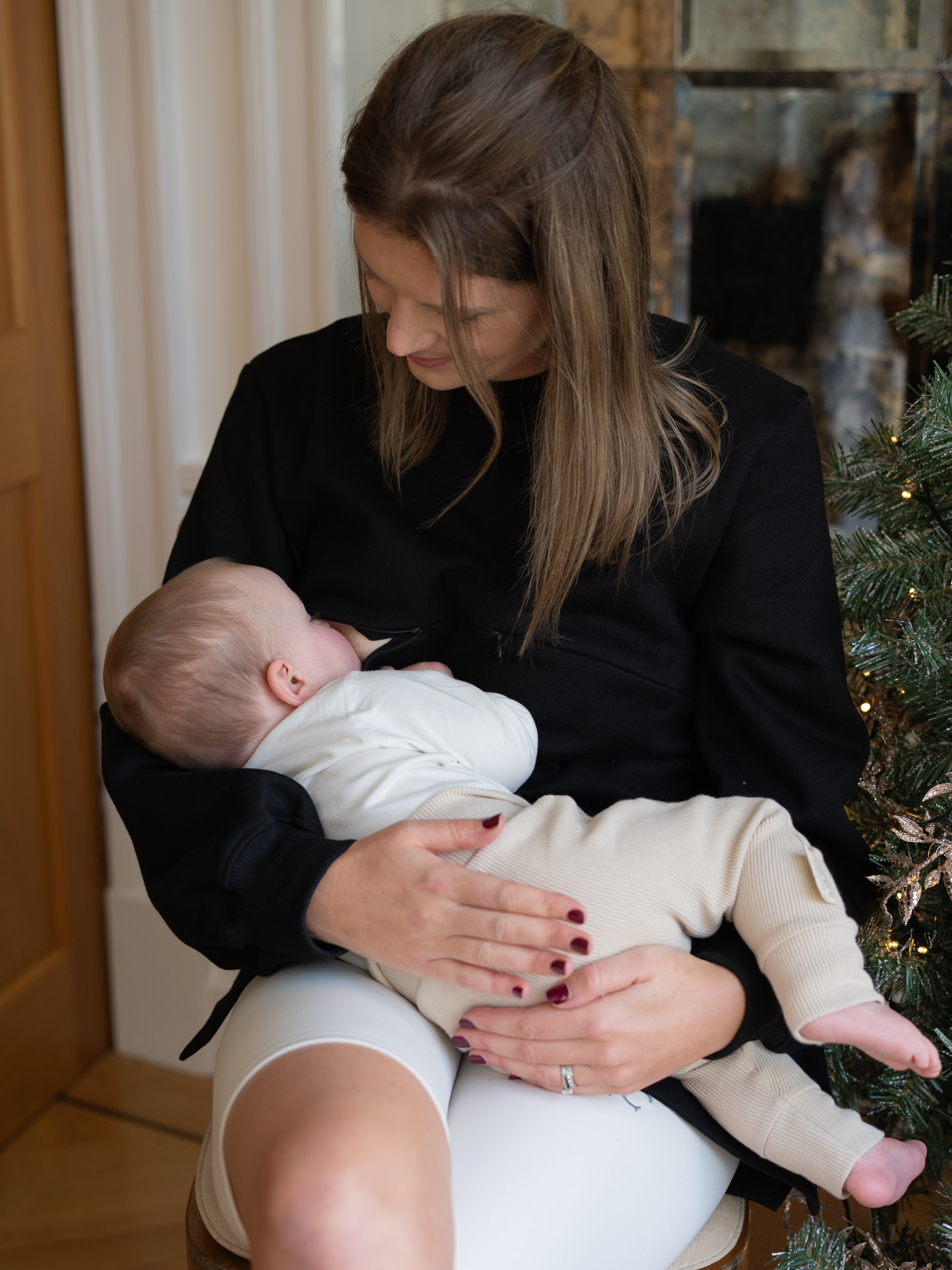
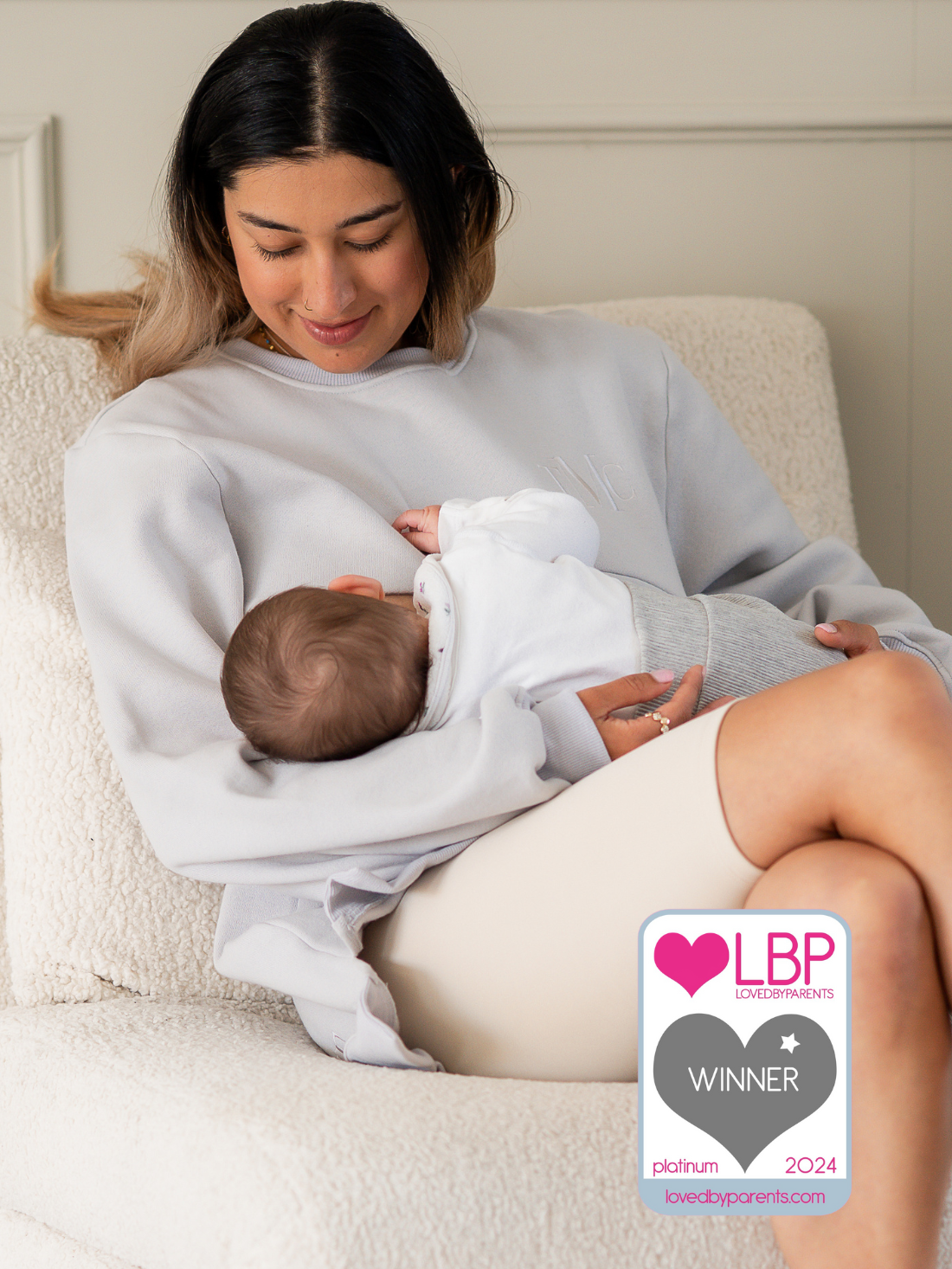
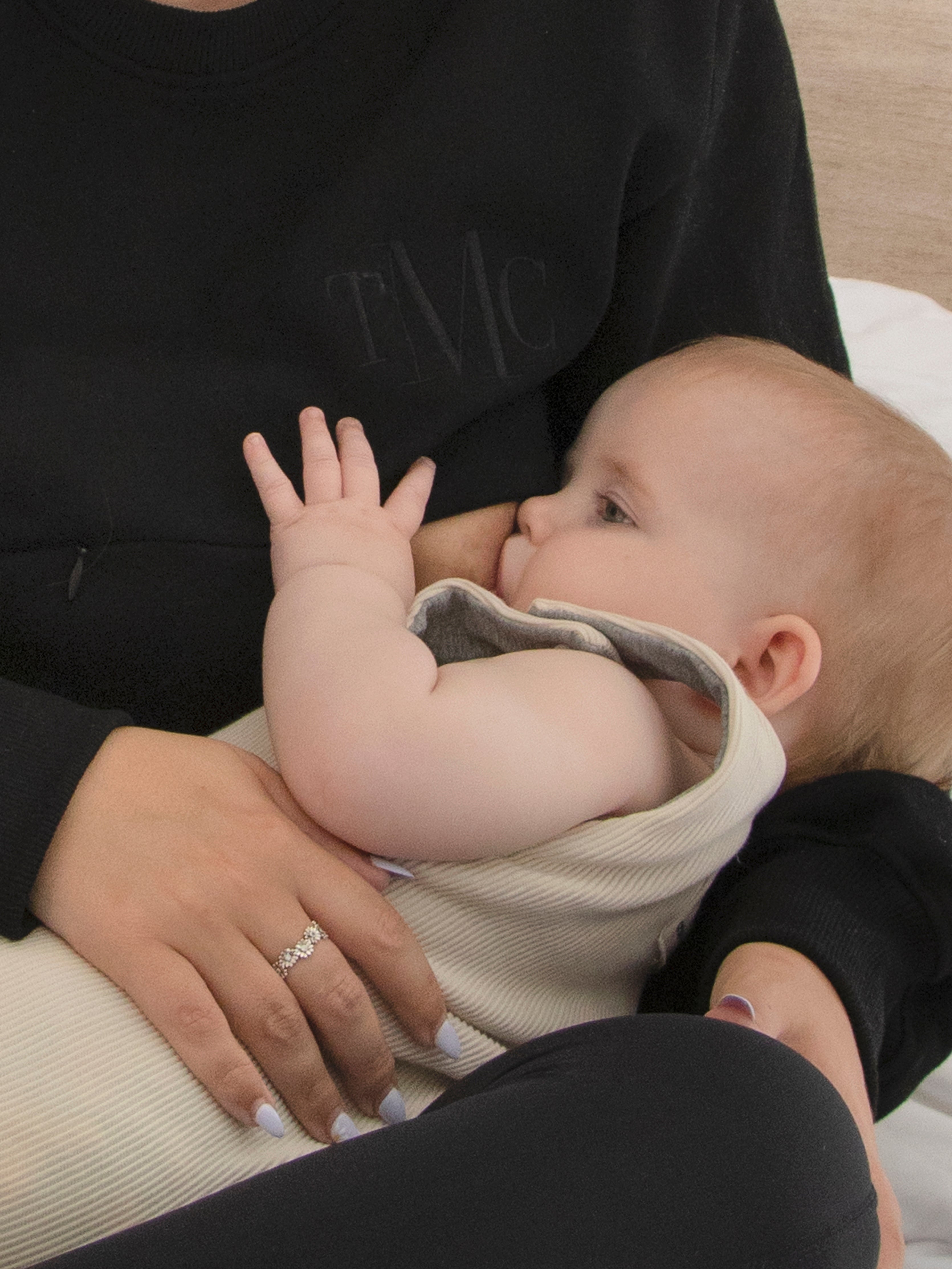
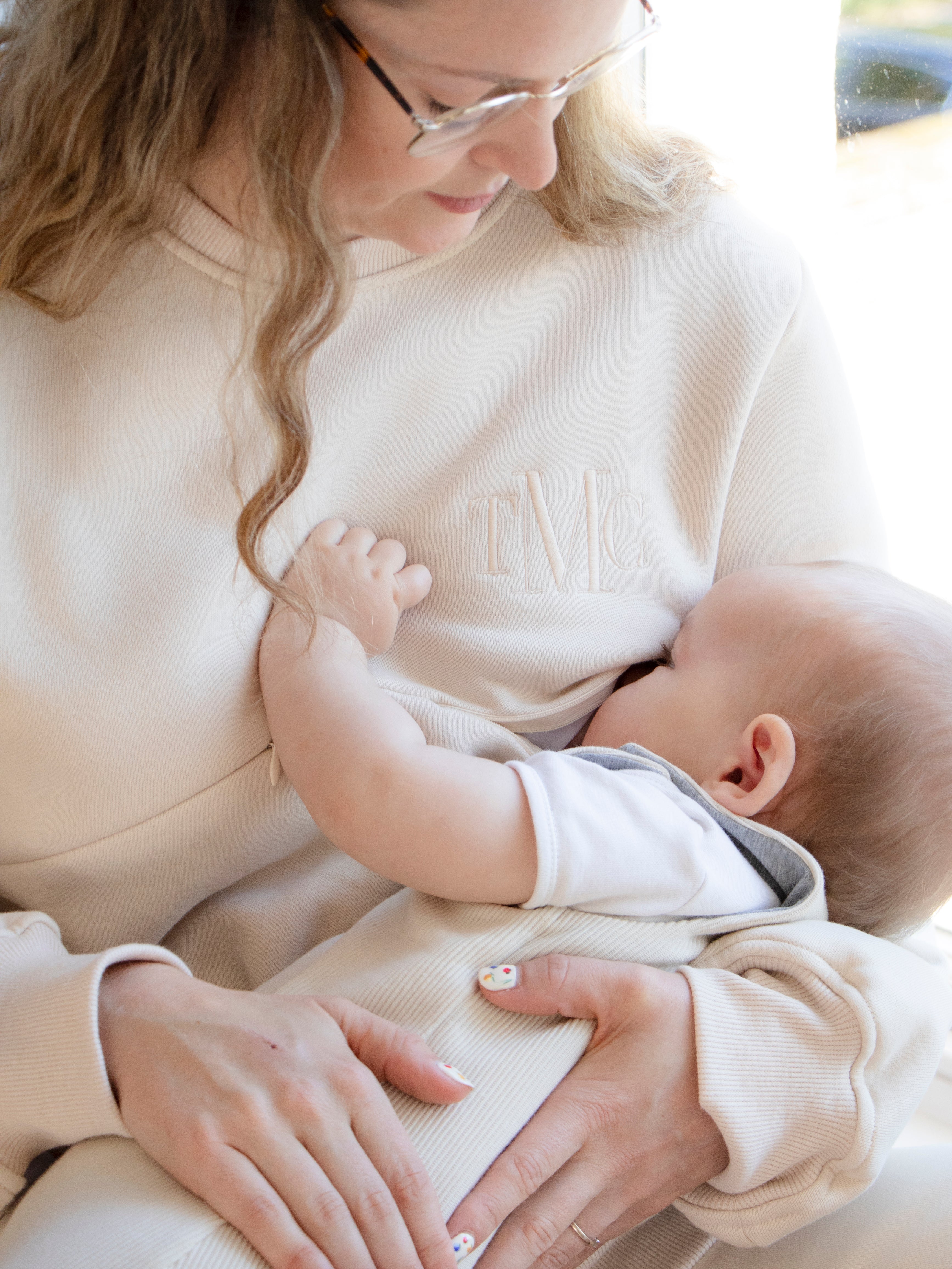
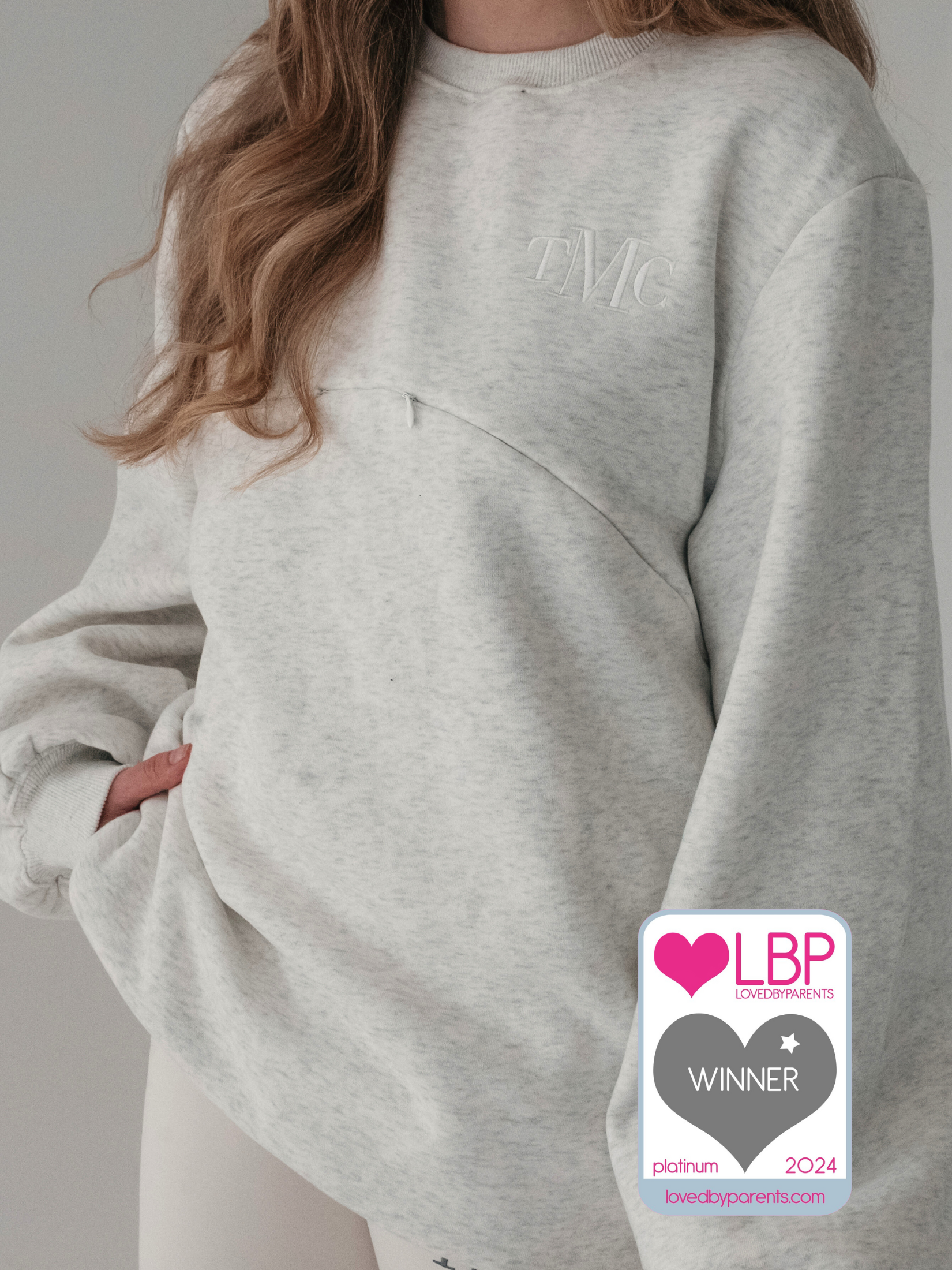
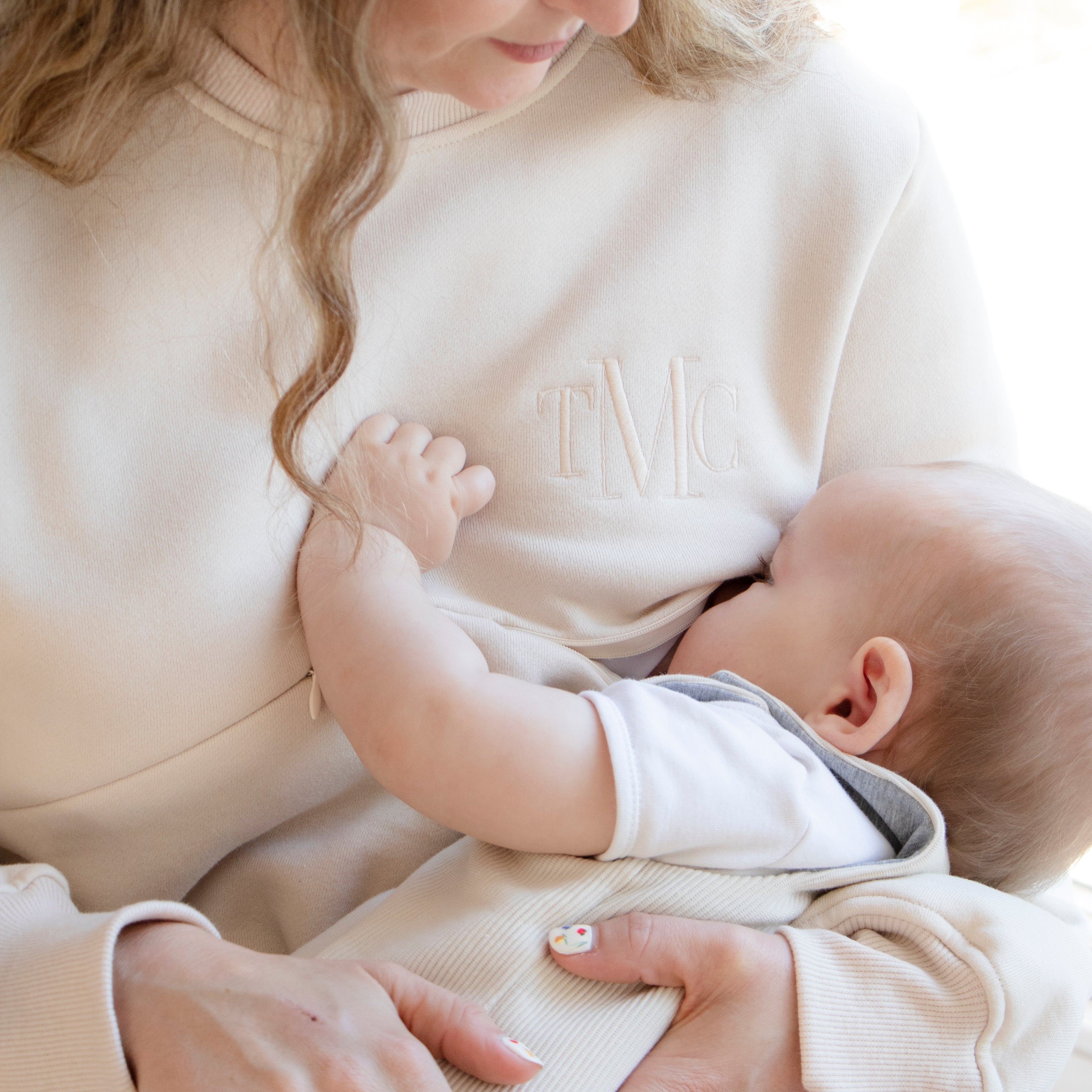
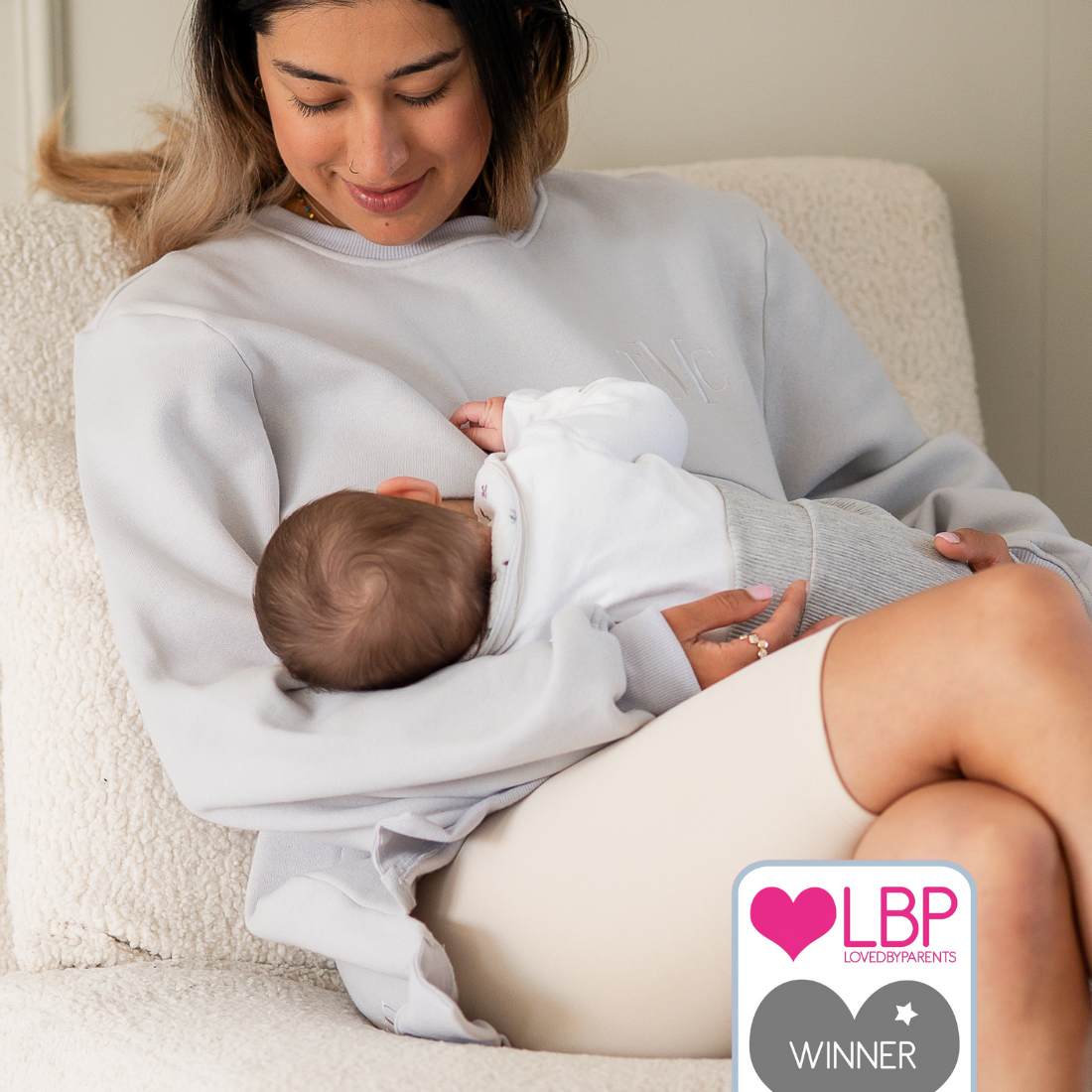
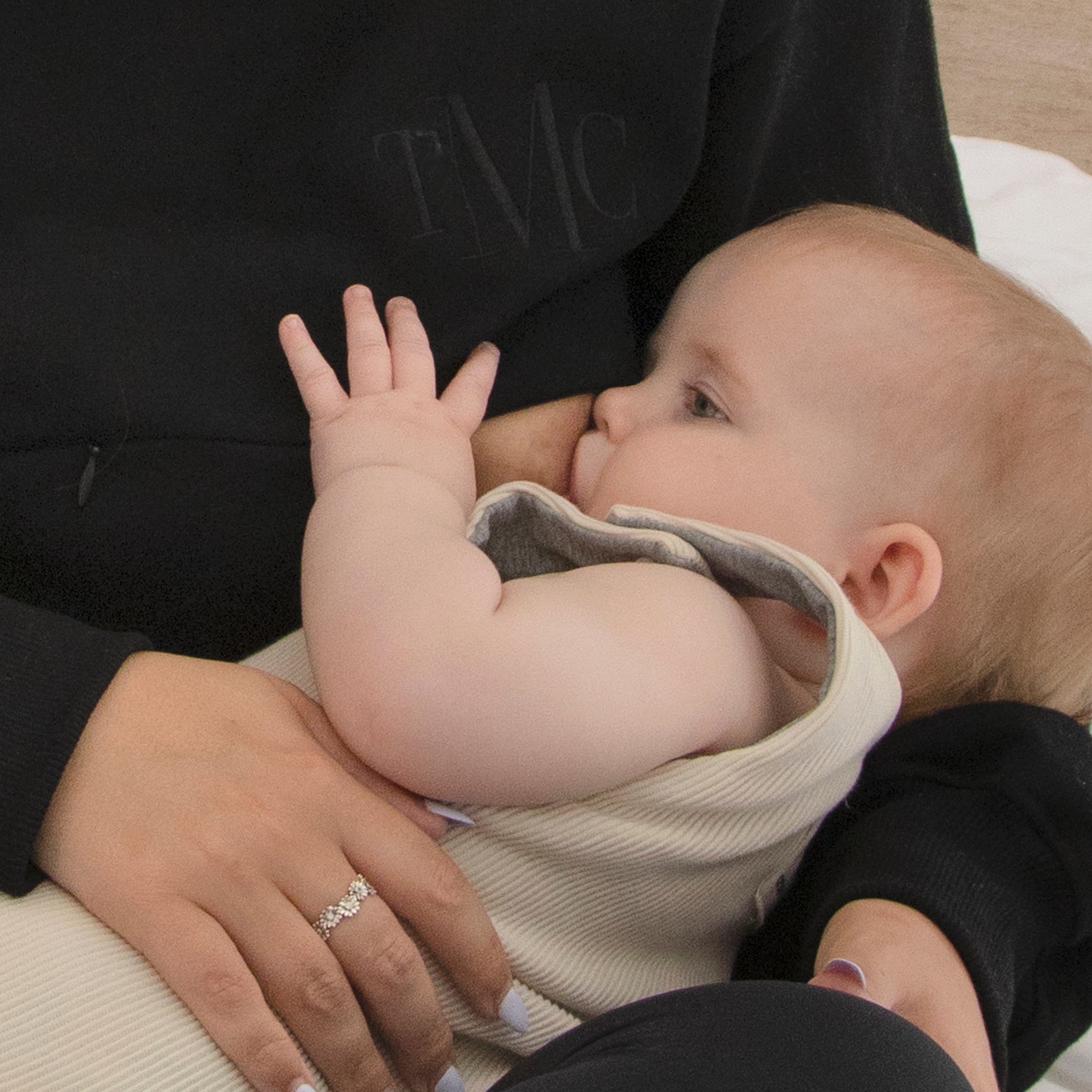
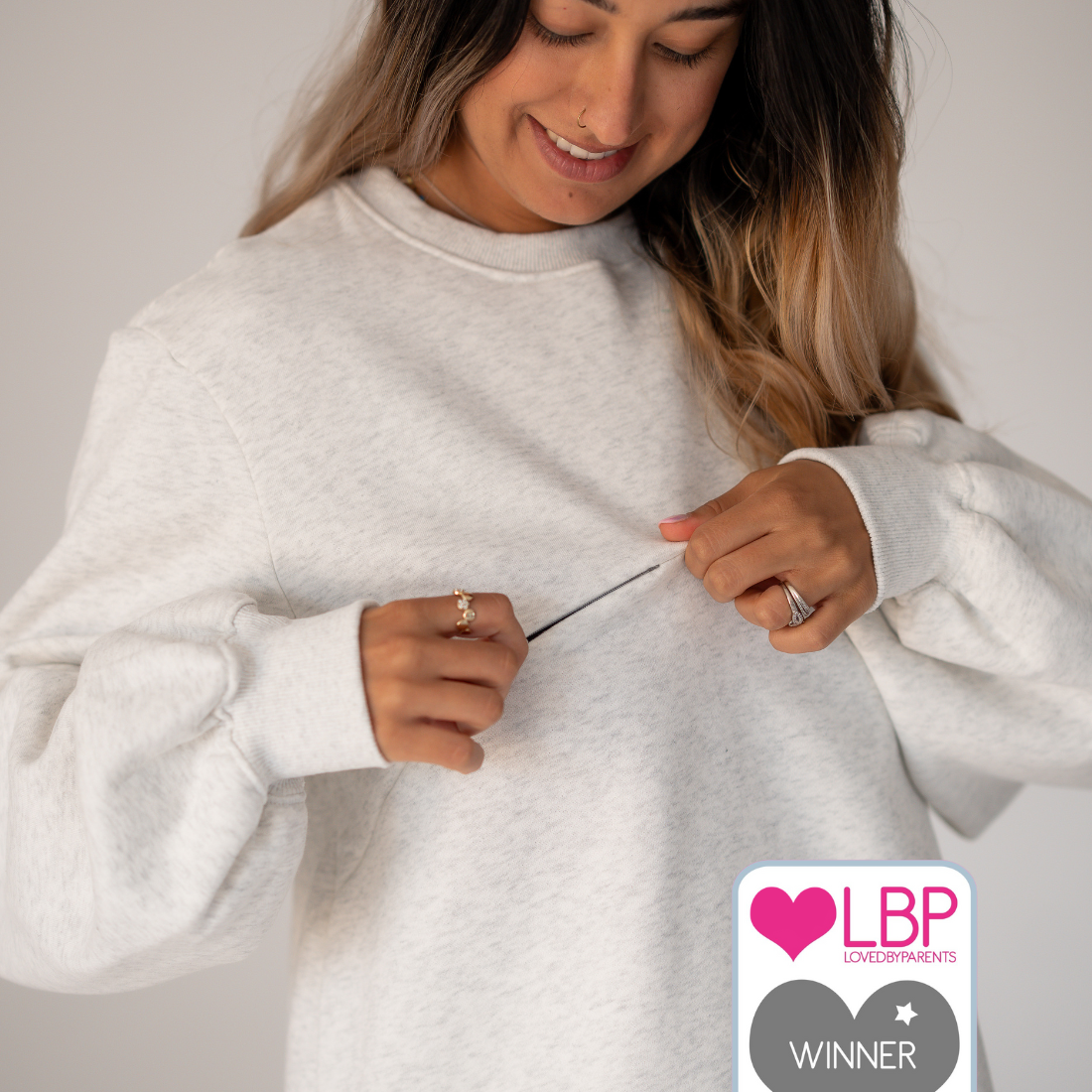
- Our Amy 1/4 Zip is perfect here - comfortable for pregnancy and designed for breastfeeding afterwards
1-2 maternity dresses that work for multiple occasions:
- Jersey or knit fabrics with stretch
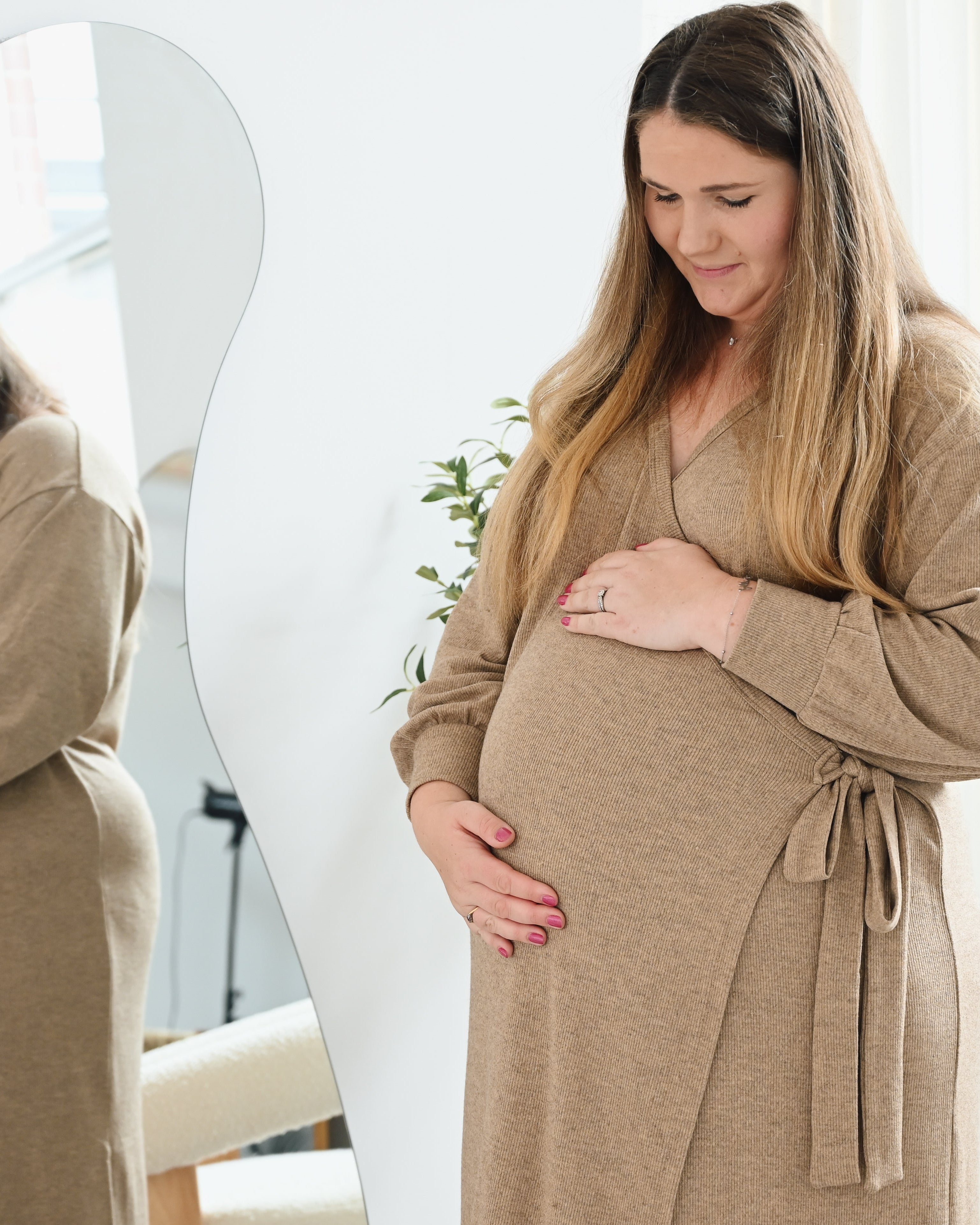
- Empire waist or wrap styles that grow with you
- Knee-length or midi for versatility
- Choose styles that work for both casual and smarter occasions
Maternity Bottoms:
2-3 pairs of maternity trousers or leggings:
- Over-bump or under-bump styles (try both to see what you prefer)
- Black is most versatile and works for any occasion
- Look for thick, quality fabric that won't go see-through
- High-waisted designs provide better support
1 pair of maternity jeans (if you wear jeans regularly):
- Dark wash is most versatile
- Stretchy denim with good recovery
- Over-bump panels provide support and grow with you
Maternity Loungewear:
This is when comfortable loungewear becomes essential, especially if you're working from home:
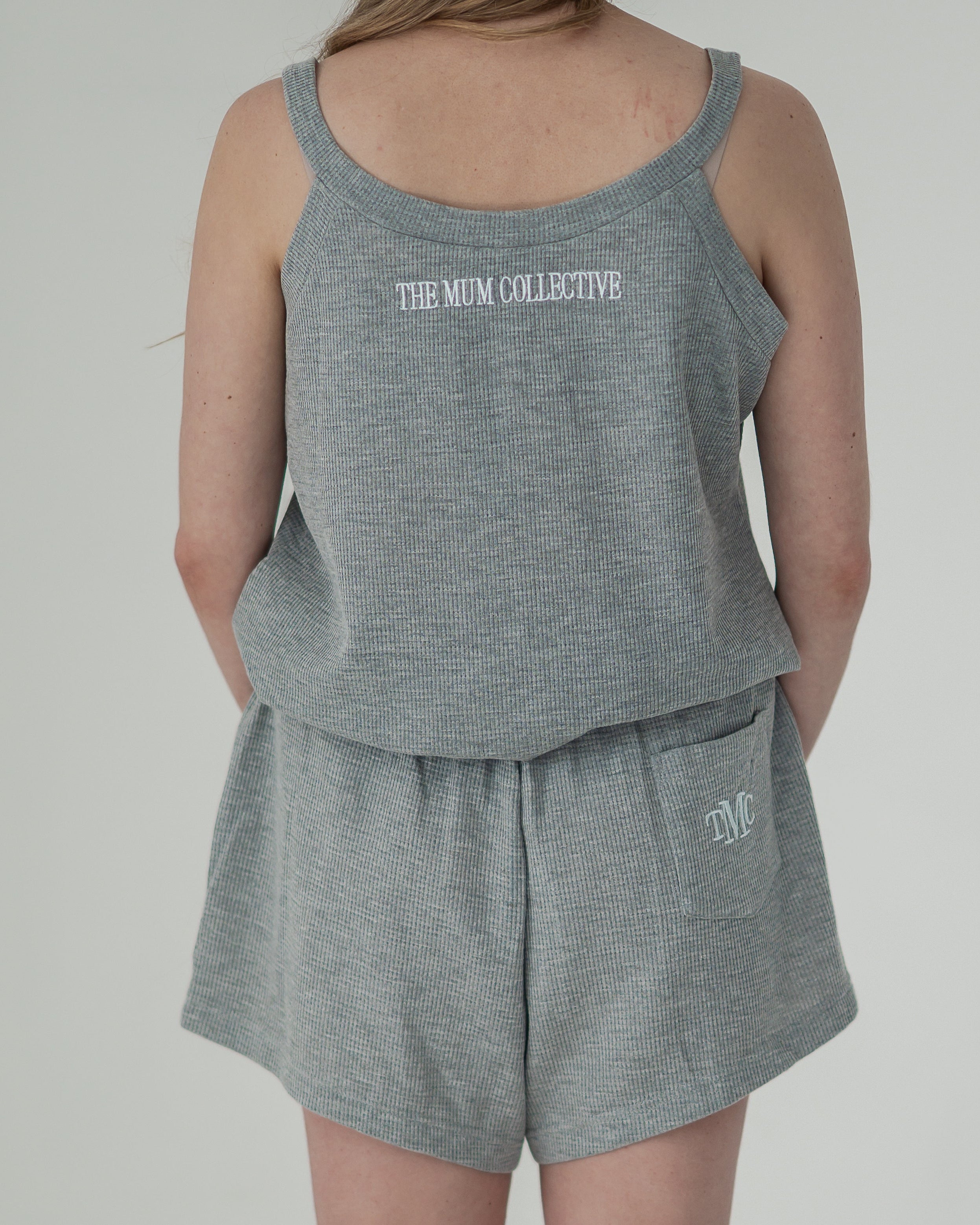
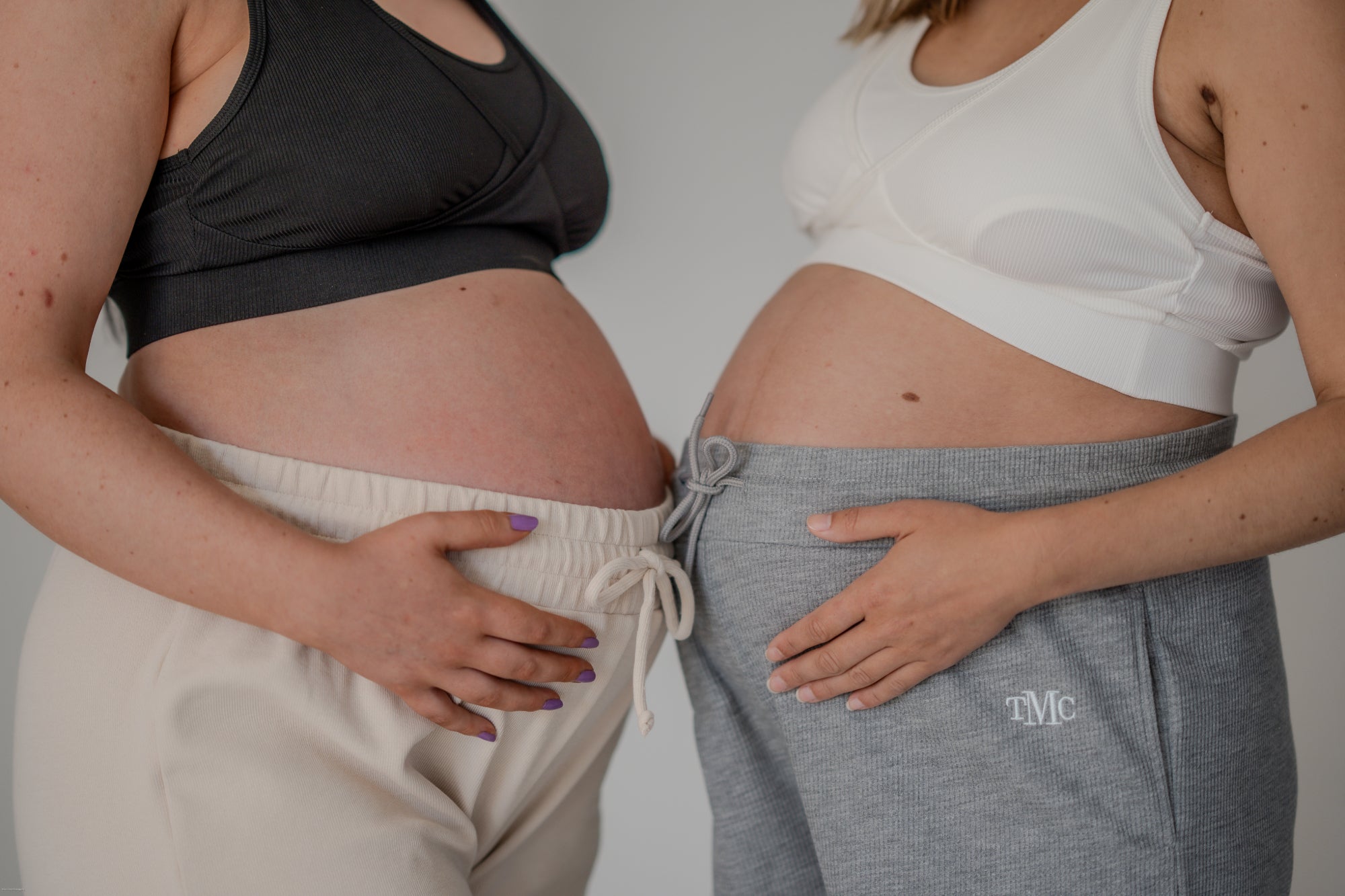
2-3 comfortable lounge sets or separates:
- Soft, breathable fabrics for all-day comfort
- Pieces that work together and separately
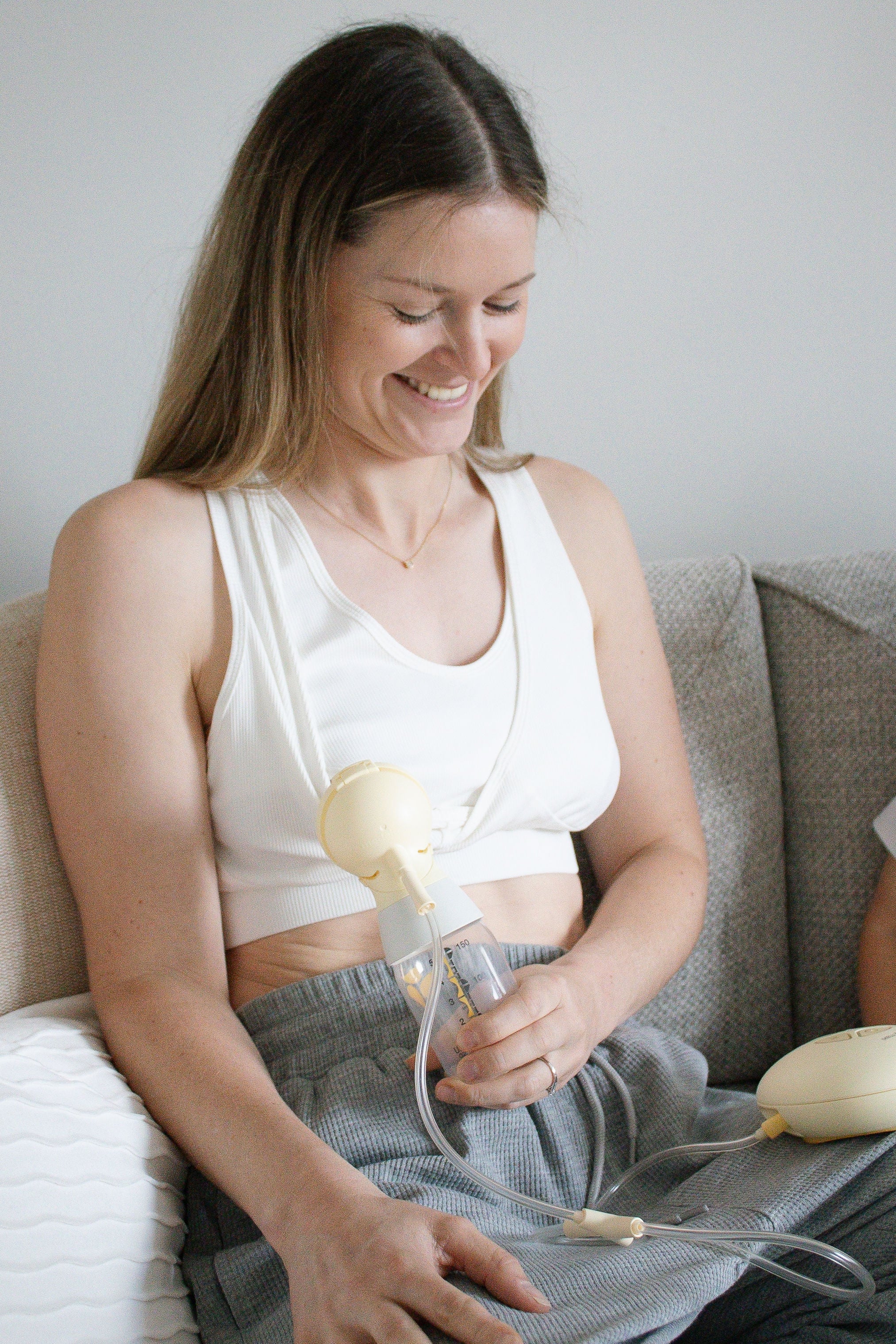
- Nursing-friendly designs extend wear into postpartum
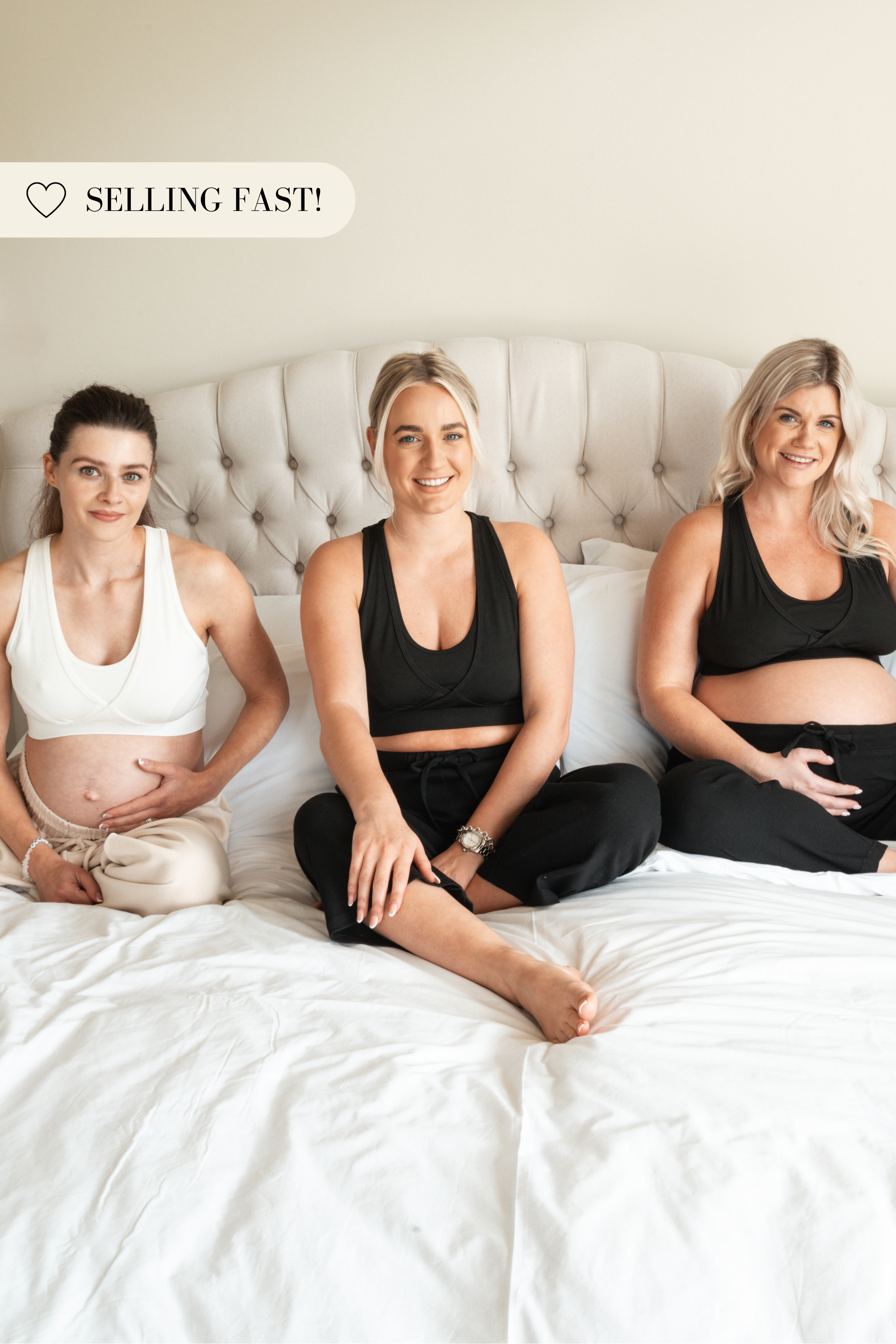
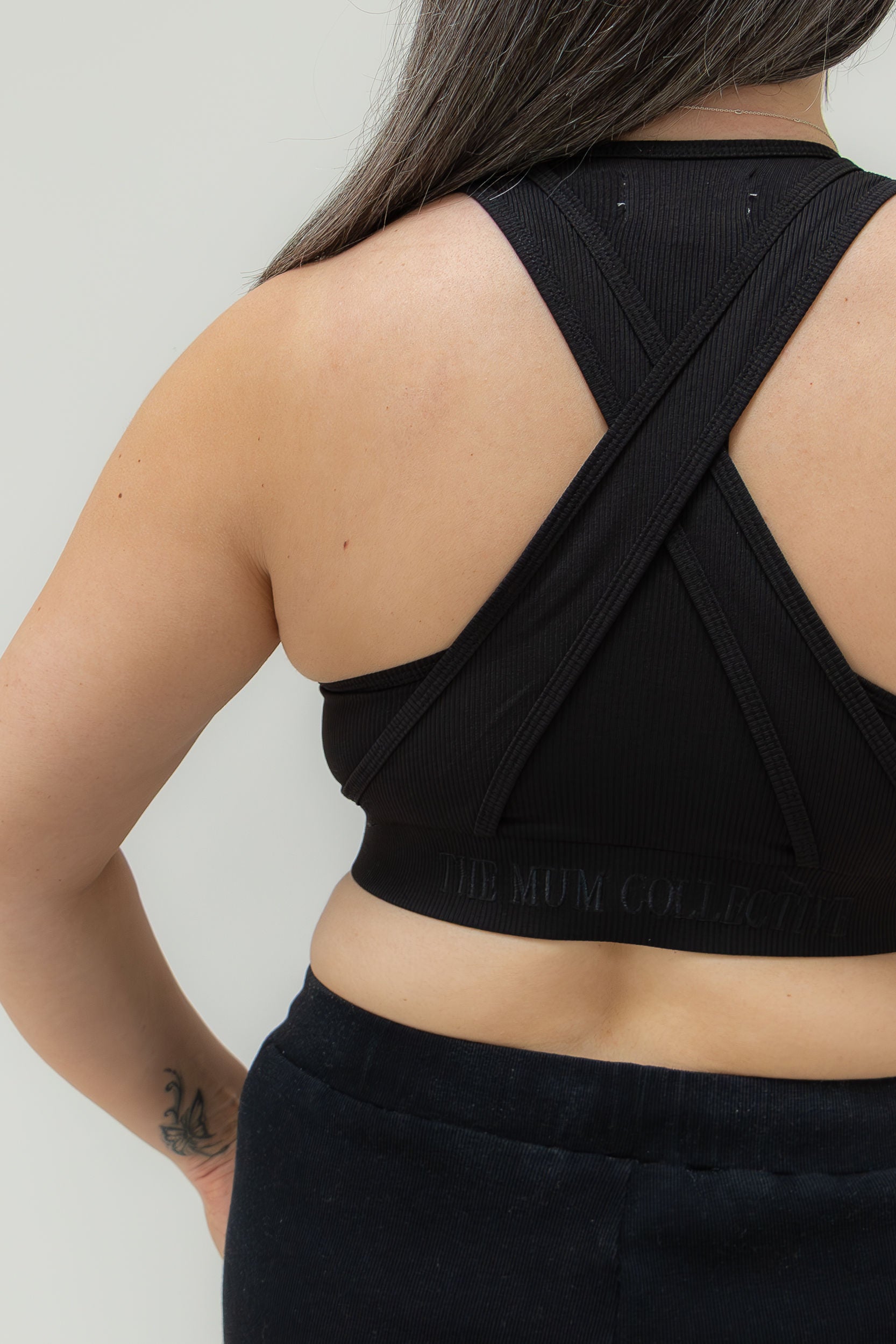
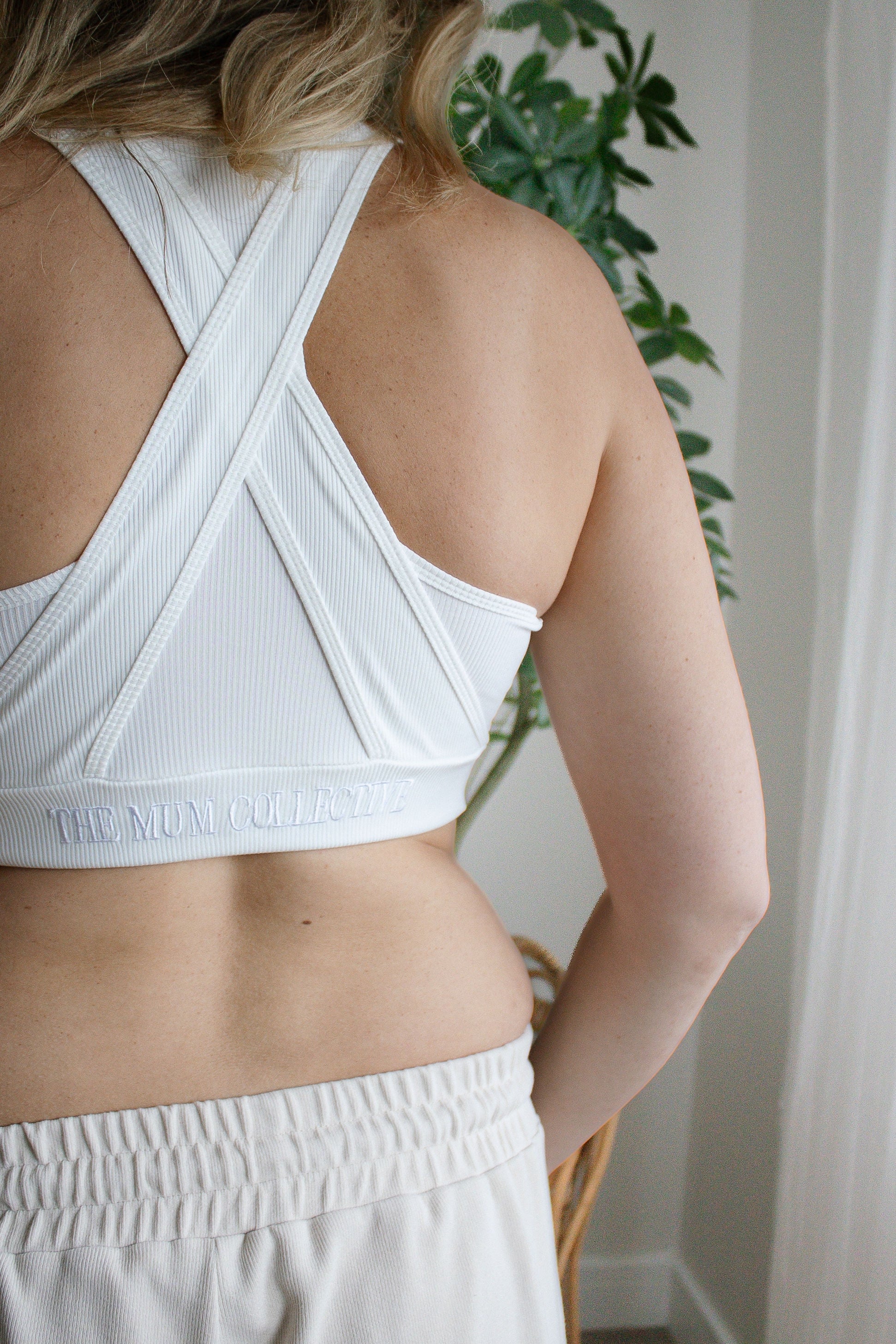
- Our maternity loungewear collection features pieces designed to support your bump and work for breastfeeding
Layering Pieces:
1-2 maternity cardigans or light jackets:
- Open-front styles work best as they don't need to button over your bump
- Longer lengths provide better coverage
- Choose neutral colours that work with everything
Second Trimester Essentials Checklist
- 2-3 nursing-friendly maternity tops
- 1-2 maternity dresses
- 2-3 pairs of maternity leggings or trousers
- 1 pair of maternity jeans (optional)
- 2-3 maternity loungewear pieces
- 1-2 maternity cardigans
- 2-3 well-fitting maternity bras
Budget: £200-400 (this is your main investment period)

Third Trimester (Weeks 28-40): Maximum Comfort
Your Body in the Third Trimester
- Significantly larger bump that may feel heavy
- Increased fatigue and potential swelling
- Temperature fluctuations (many women feel warmer)
- Difficulty bending and reduced mobility
- Braxton Hicks contractions and general discomfort
- Preparing for birth mentally and physically
What You Need Now
The good news? If you've chosen well in your second trimester, you shouldn't need much new clothing now. Focus on maximum comfort and pieces that will transition to postpartum.
Prioritise Comfort Over Everything:
Additional loungewear pieces:
- You'll likely spend more time at home as you get larger
- Soft, stretchy fabrics that don't restrict your bump
- Easy to get on and off without too much bending
- Nursing access means you'll wear these for months after birth
Comfortable sleepwear:
- 2-3 nursing nightwear for late pregnancy and postpartum
- Longer lengths for coverage and comfort
- Breathable fabrics for night sweats
- Front-opening designs for easy breastfeeding
Supportive undergarments:
- Maternity support bands if you're experiencing back pain
- Seamless maternity knickers that sit comfortably under or over your bump
- Additional nursing bras as your bust continues to grow
Hospital Bag Preparation
Around 36 weeks, you'll want to pack your hospital bag. Focus on:
- Comfortable nursing nightwear
- Easy-access tops for skin-to-skin and breastfeeding
- High-waisted, soft bottoms for postpartum comfort
- Comfortable going-home outfit
Third Trimester Essentials Checklist
- 2-3 nursing nightwear pieces
- 1-2 additional comfortable loungewear pieces
- 1-2 maternity support bands (if needed)
- Hospital bag clothing essentials
- Comfortable slip-on shoes (as bending becomes difficult)
Budget: £100-200 (mostly sleepwear and hospital bag items)
Maternity Sizing Guide: How Sizes Change
One of the most common questions we hear is: "What size maternity clothes should I buy?"
General Sizing Principles
Stick to your pre-pregnancy size. Maternity clothing is designed with extra room in the bump, hips, and bust, so you don't need to size up.
Your body changes differently. Some women carry all their weight in their bump, while others gain more evenly. Pay attention to how your body is changing.
Brands vary significantly. Always check specific size guides, especially when shopping online.
Trimester-Specific Sizing Tips
First Trimester: Your regular size in stretchy, forgiving fabrics
Second Trimester: Your pre-pregnancy size in proper maternity wear (the extra room is built in)
Third Trimester: Still your pre-pregnancy size, but you may prefer looser fits in tops and dresses
Postpartum: Continue with maternity sizing for 6-12 weeks as your body recovers
Our Sizing Philosophy
At The Mum Collective, we design with real bodies in mind. Our pieces are:
- True to size with generous cuts for comfort
- Tested by mums at every stage of pregnancy
- Designed to accommodate different body shapes and bump sizes
- Versatile enough to work across multiple sizes if you're between measurements
Investment Pieces Worth Buying
Not all maternity clothing is created equal. These pieces offer the best value because they work across multiple stages:
The Ultimate Versatile Pieces
Nursing-friendly maternity tops:
- Work from second trimester through months of breastfeeding
- Our Olivia Breastfeeding Sweater is designed to be comfortable over your bump and functional for nursing
- Choose quality fabrics that maintain their shape wash after wash
High-quality maternity leggings:
- You'll wear these almost daily
- Invest in thick, opaque fabric that doesn't go see-through
- Over-bump styles provide support throughout pregnancy
- Continue wearing postpartum for comfort
Maternity loungewear sets:
- Comfortable for pregnancy, essential for postpartum
- Nursing access means months of additional wear
- Quality pieces maintain softness through countless washes
Classic maternity dresses:
- Work for pregnancy and postpartum (especially nursing-friendly styles)
- Versatile enough for multiple occasions
- Timeless styles don't date
Where to Save Money
Maternity jeans: Unless you wear jeans daily, one pair is enough
Trendy pieces: Stick to classics as you'll only wear them for months
Formal wear: Rent or borrow for one-off occasions
Seasonal items: Buy only what you'll actually wear in your pregnancy season
Pregnancy Through Postpartum: Clothes That Grow With You
The smartest maternity purchases are pieces that work beyond pregnancy:
Nursing-Friendly Features to Look For
Front-opening designs:
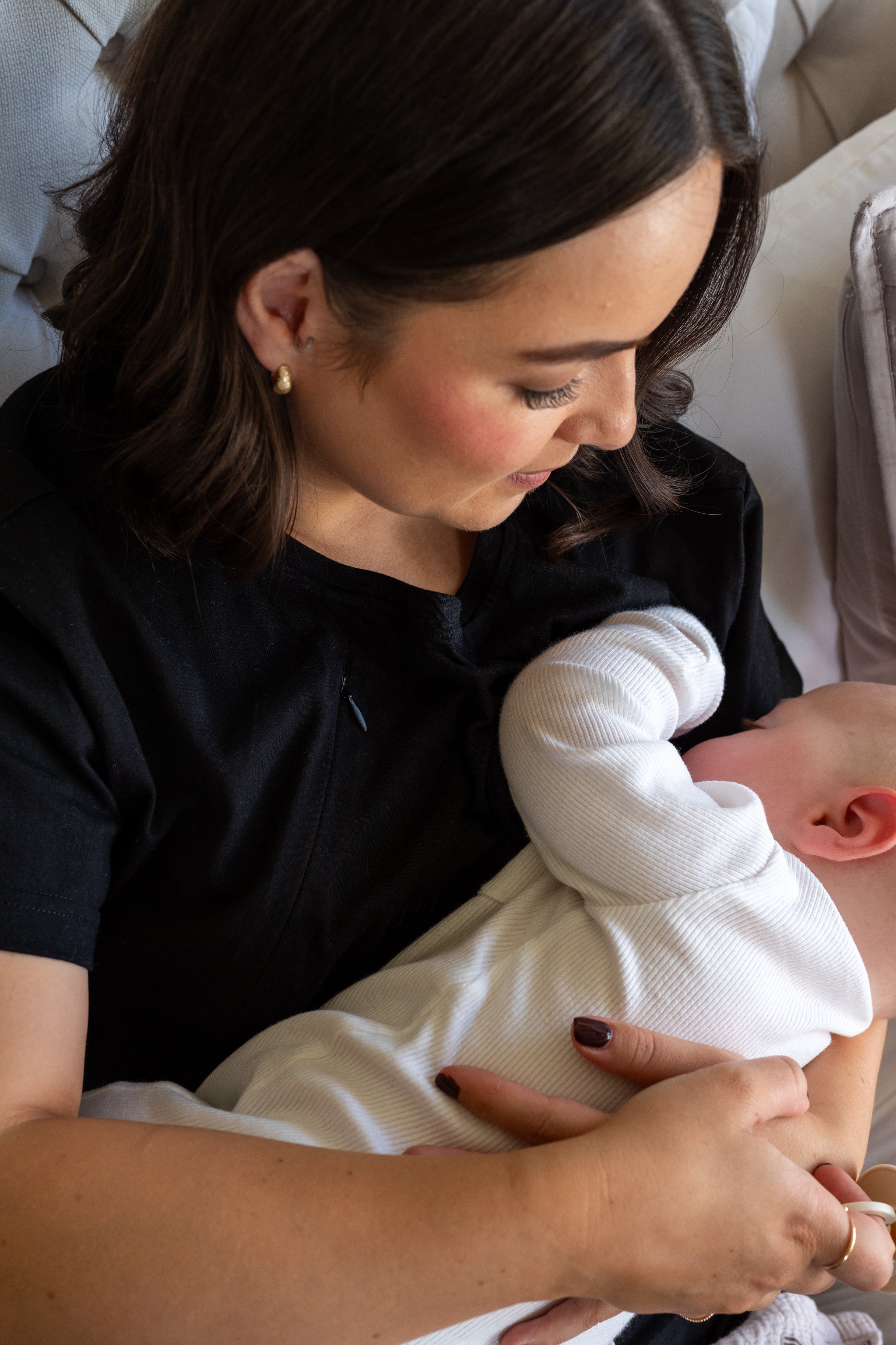
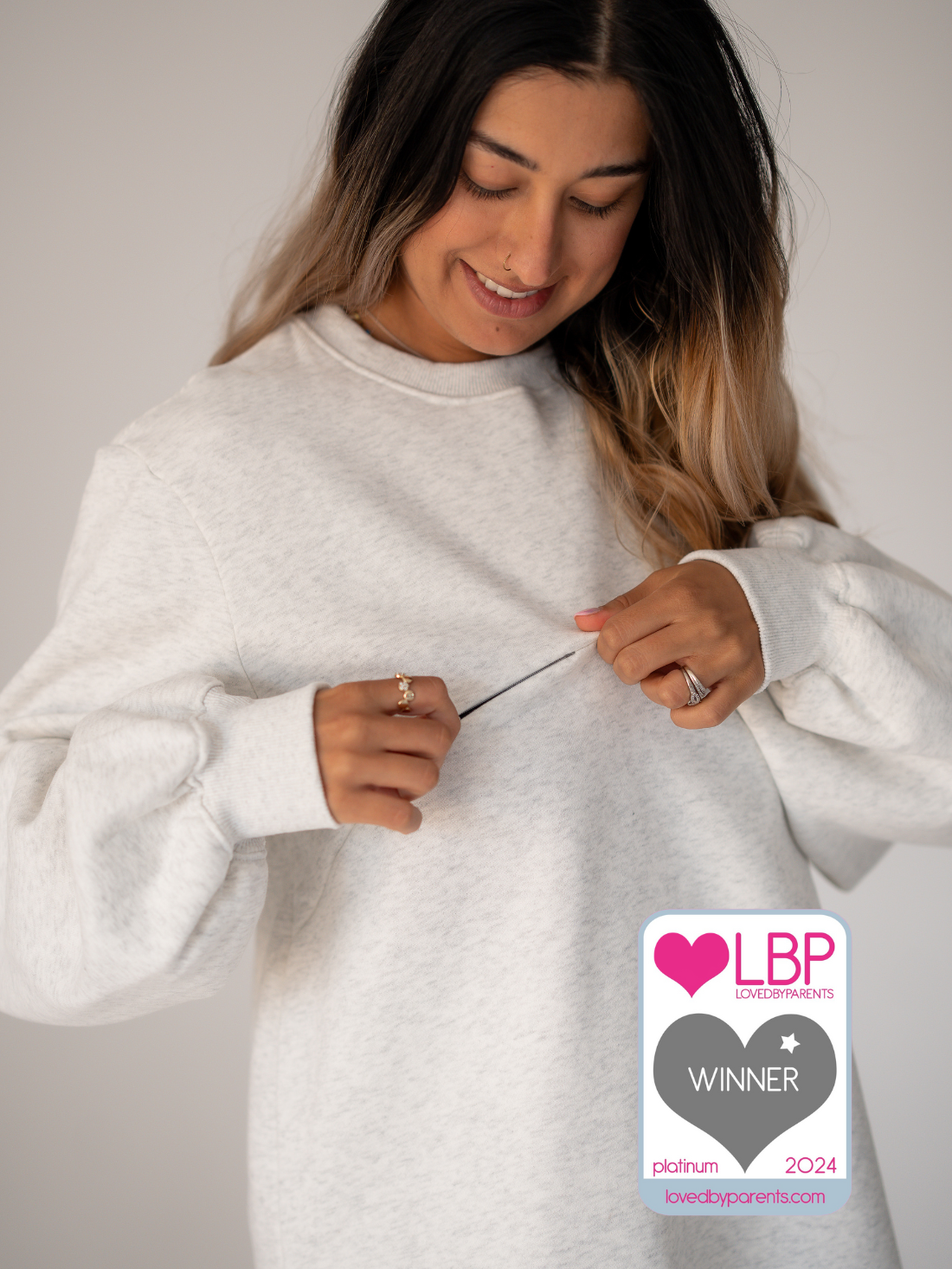
- Zips, buttons, or wrap styles
- Allow discreet breastfeeding access
- Much easier than lifting tops
Stretchy, forgiving fabrics:
- Accommodate changing body size
- Comfortable for postpartum recovery
- Easy to move in while caring for a newborn
Adjustable elements:
- Drawstring waists
- Wrap styles
- Stretchy panels
How Long You'll Wear Maternity Clothes After Birth
Immediately postpartum (0-6 weeks):
- You'll still look pregnant as your uterus shrinks
- Maternity clothes are most comfortable
- Focus on nursing access and soft fabrics
Early postpartum (6-12 weeks):
- Gradually transitioning back to regular sizes
- Maternity leggings and loungewear still most comfortable
- Nursing tops essential if breastfeeding
3-6 months postpartum:
- Many women return to pre-pregnancy size (though bodies may be different shapes)
- Nursing-friendly pieces still valuable if breastfeeding
- Some maternity pieces like oversized jumpers continue to work
Beyond 6 months:
- Nursing tops and dresses if still breastfeeding
- Comfortable loungewear pieces
- Some maternity items become regular wardrobe staples
Frequently Asked Questions
When should I start buying maternity clothes?
Most women start buying maternity clothes between 14-20 weeks when their bump becomes visible and regular clothes feel uncomfortable. However, some women need maternity wear earlier (especially second or subsequent pregnancies), while others can make regular clothes work longer. Listen to your body and prioritize comfort.
What maternity clothes do I actually need?
The essentials are: 3-4 maternity tops (preferably nursing-friendly), 2-3 pairs of maternity leggings or trousers, 1-2 maternity dresses, comfortable loungewear, and proper maternity undergarments. Everything else depends on your lifestyle, work requirements, and personal style.
What size maternity clothes should I buy?
Stick to your pre-pregnancy size. Maternity clothing is designed with extra room in the bump, bust, and hips, so you don't need to size up. If you're between sizes or gain weight evenly rather than just in your bump, you might prefer to size up for comfort.
How many maternity outfits do I need?
A capsule wardrobe of 20-25 pieces (including tops, bottoms, dresses, and loungewear) is plenty for most women. This allows you to mix and match while having enough for a week without laundry. If you work from home or have a casual lifestyle, you might need even fewer pieces.
Can I wear regular clothes during pregnancy?
In the first trimester, yes, most women can make their regular wardrobe work with belly bands and stretchy pieces. From the second trimester onwards, proper maternity wear becomes necessary for comfort and fit. Some regular items like oversized jumpers, stretchy dresses, and open cardigans can work throughout pregnancy.
Are maternity clothes worth it?
Yes, especially if you choose quality, versatile pieces with nursing access that you'll wear for 12+ months. Proper maternity wear is designed to support your changing body, provide comfort, and accommodate your growing bump in ways regular clothes simply can't.
How long will I wear maternity clothes after giving birth?
Most women wear maternity clothes for 6-12 weeks postpartum as their body recovers and returns to pre-pregnancy size. If you're breastfeeding, nursing-friendly tops and dresses remain valuable for many months. Comfortable maternity loungewear often becomes a postpartum staple regardless of feeding method.
What's the difference between over-bump and under-bump maternity clothes?
Over-bump styles have a stretchy panel that covers your entire bump, providing support and warmth. Under-bump styles sit below your bump with a lower waistband. Over-bump is generally more supportive and popular for trousers, while under-bump can feel less restrictive. Try both to see what you prefer.
Your Maternity Wardrobe Journey
Building a maternity wardrobe doesn't have to be overwhelming or expensive. By understanding how your body changes trimester by trimester and investing in quality, versatile pieces at the right time, you can create a functional wardrobe that serves you from first bump through postpartum and beyond.
Remember, every pregnancy is different. Use this guide as a framework, but listen to your body and adjust based on your unique needs, lifestyle, and budget. The most important thing is that you feel comfortable and confident throughout your pregnancy journey.
At The Mum Collective, every piece we design is created with this journey in mind. Our UK-designed, ethically produced clothing is built to last, designed to work across multiple stages, and crafted with the real needs of real mums at heart.
Ready to build your maternity wardrobe? Explore our collections of nursing-friendly maternity wear